Key Takeaways
- AMD is restoring Transparent Secure Memory Encryption, or TSME, to consumer Ryzen chips after removing it in a recent firmware change.
- The feature encrypts memory contents to make physical attacks like cold boot attacks less useful.
- The reversal highlights how consumer buyers now treat security features as part of a chip’s value, not just a Pro-line bonus.
What happened
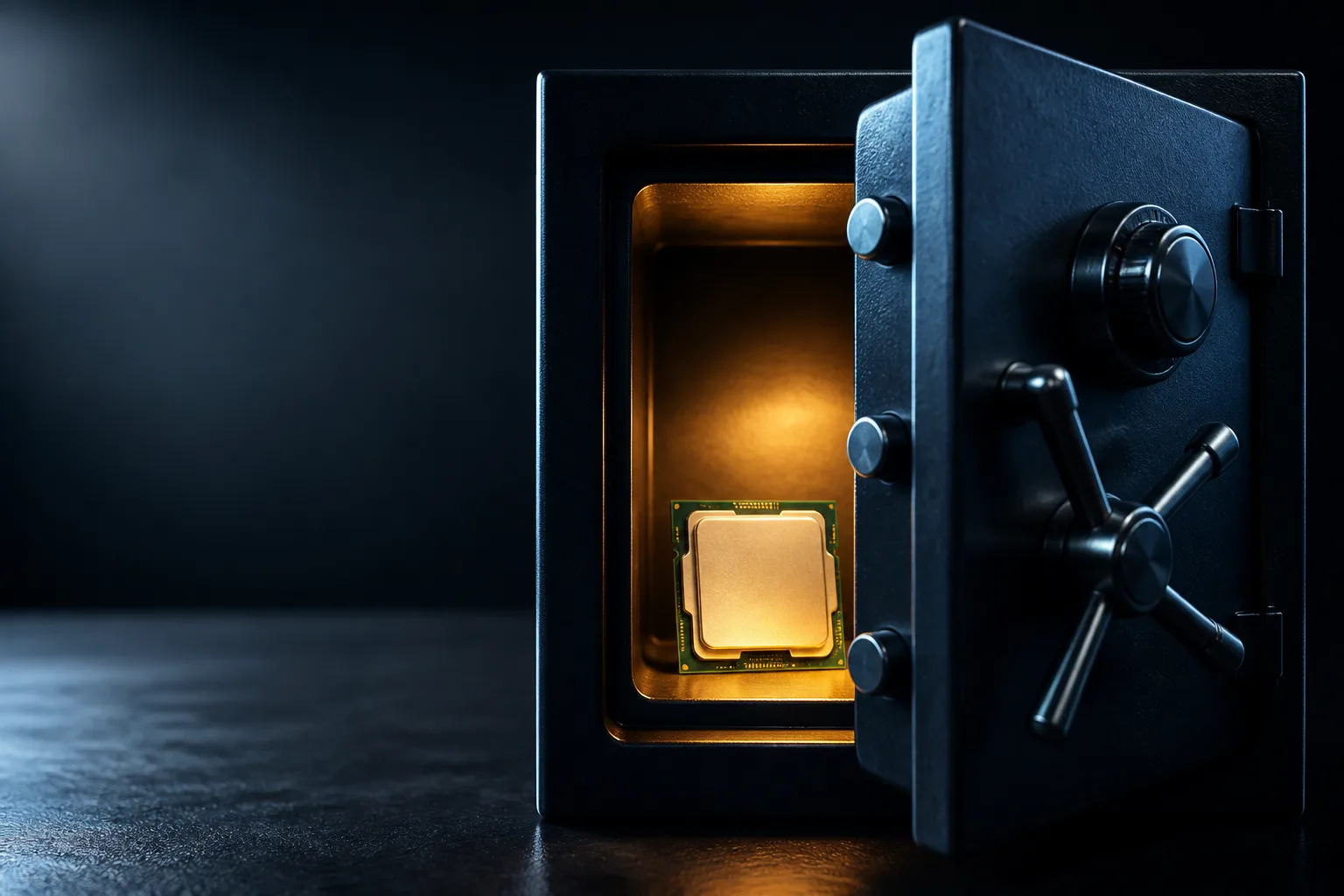
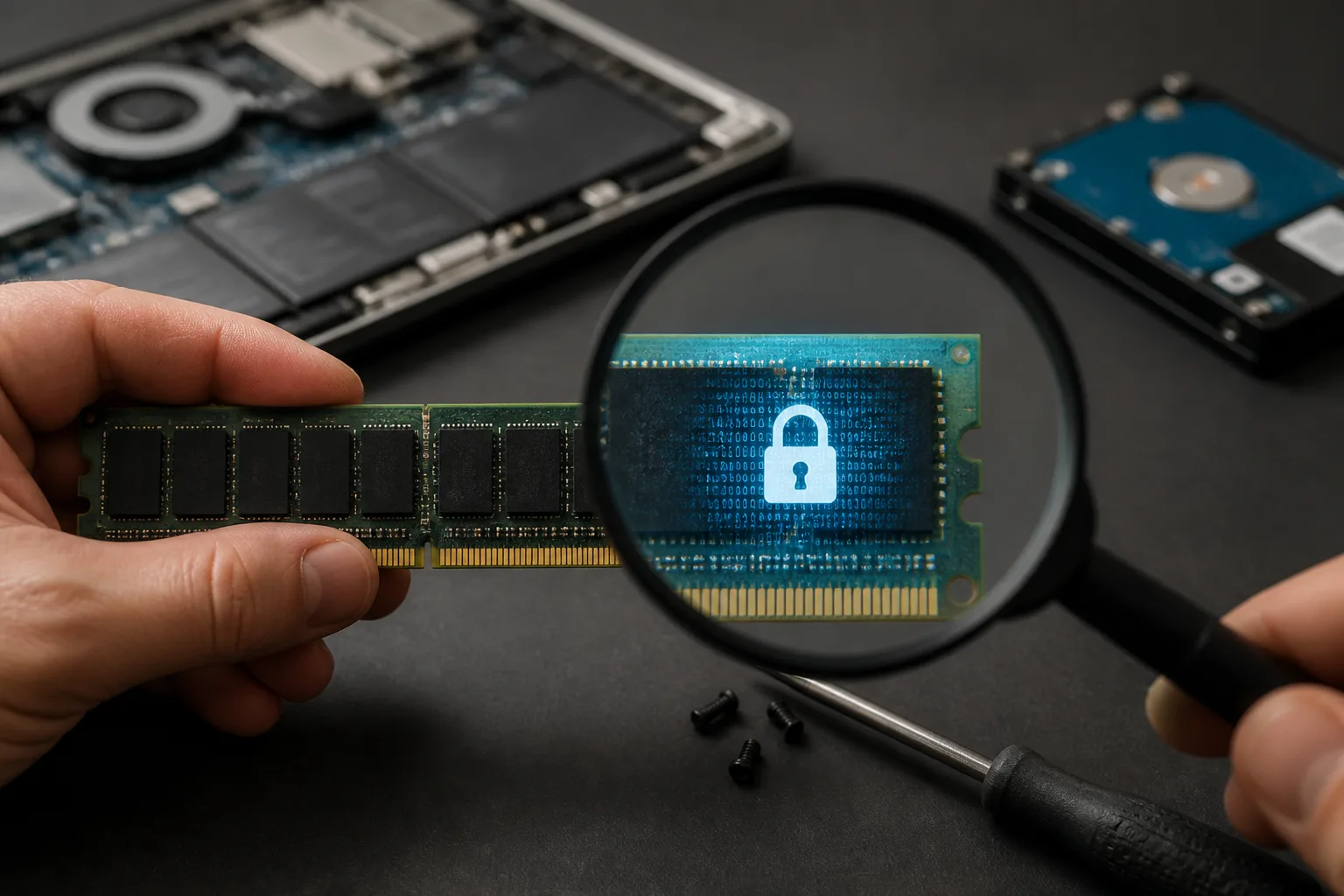
AMD consumer CPUs will once again offer memory encryption protections after the company faced backlash for quietly removing the feature from Ryzen processors. The protection in question is Transparent Secure Memory Encryption, or TSME, which encrypts the full contents stored in memory.
According to the source material, AMD had previously expanded TSME beyond its higher-end products and into lower-end consumer chips, including the consumer version of Ryzen. That made the feature familiar to users of those systems, even though the threat model it addresses is specific: physical-access attacks such as cold boot attacks, where an adversary tries to extract data from memory after gaining direct access to a machine.
The controversy began when AMD removed TSME from its consumer lineup without notice. The change was not accompanied by a public explanation at the time, and the source says AMD declined to explain or acknowledge the removal when asked. Users only discovered the shift after it appeared in firmware updates, and the behavior was especially difficult to spot on Windows machines. On Linux, determining the change required more technical effort.
The source says the feature disappeared because of firmware changes, not because AMD had to alter the underlying silicon. That distinction matters: if no hardware redesign was required, then continued support appears to have been a product decision rather than a technical impossibility.
Following the disclosure, users criticized the move publicly and argued that quietly removing a long-standing security capability felt misleading. The backlash appears to have worked. AMD is now bringing TSME back to consumer chips.
Why it matters
This is not a story about a brand-new security technology. It is a story about expectations.
Once a feature becomes part of a consumer product line, buyers tend to assume it will stay there unless the company gives a clear reason otherwise. That is especially true for security-related capabilities. Even if many consumer PCs are less likely than enterprise systems to face physical attacks, the availability of memory encryption still influences how people judge the security posture of a platform.
The source material suggests that AMD’s move touched a nerve because the removal was silent and because the feature had already existed on consumer chips for years. In other words, customers were not reacting to the absence of a never-promised extra; they were reacting to the disappearance of something they had come to expect.
That makes TSME relevant beyond the narrow security function it serves. For buyers comparing AMD and competing chip families, it affects how they think about product segmentation. Consumer and Pro products often differ by management features, support, and security options. When a consumer chip loses a feature that used to be included, that can make the lower-tier product feel less like a complete offering and more like a constrained one.
There is also a practical trust issue. Hardware security features are only useful when users know what is enabled, what is not, and whether those settings can change across updates. The source notes that the removal was hard to detect on Windows and required technical work on Linux, which underscores a broader problem: if a feature changes quietly, most buyers may not even know to check.
AMD’s reversal therefore matters not just because encryption is returning, but because the company appears to have recognized the reputational cost of removing it without warning. For consumer CPUs, security features are increasingly part of the selling point, not an optional detail hidden in firmware.
What to watch
The most immediate question is how AMD restores TSME and whether the return is consistent across consumer Ryzen models. The source material says the feature was removed through firmware changes and that no physical silicon changes were involved, which suggests the company can re-enable support through software or firmware updates. What remains unclear from the available context is how widely and how quickly that restoration will be delivered.
It will also be worth watching how AMD communicates the feature going forward. The backlash was driven not just by the removal itself, but by the lack of notice. If AMD wants to avoid a repeat, it may need to be clearer about when consumer security capabilities are changing and why.
Another point to watch is whether the company’s handling of TSME influences how buyers think about the difference between consumer and Pro parts. The source indicates that consumer Ryzen users had grown accustomed to the feature, even if some security experts have long argued that physical attacks are less likely on consumer machines. That tension may remain: consumers may still value the protection, while vendors may continue to segment features between product tiers.
Finally, this episode may encourage more scrutiny of firmware updates in general. If a security feature can disappear quietly and be difficult to detect on common operating systems, users, reviewers, and IT teams may become more attentive to validating what updates actually change.
For now, the main takeaway is straightforward: AMD backed away from a quiet removal after public criticism, and consumer CPU buyers are getting a security feature back that many had come to see as part of the package.