Key Takeaways
- A maker built a desk-sized plane radar around an ESP32-C3 and a 1.28-inch round display.
- The project shows nearby aircraft by distance and bearing using ADS-B traffic data, then adds richer flight details through a custom firmware fork.
- The builder also improved the web interface, display controls, and update flow, including authenticated OTA support.
What happened
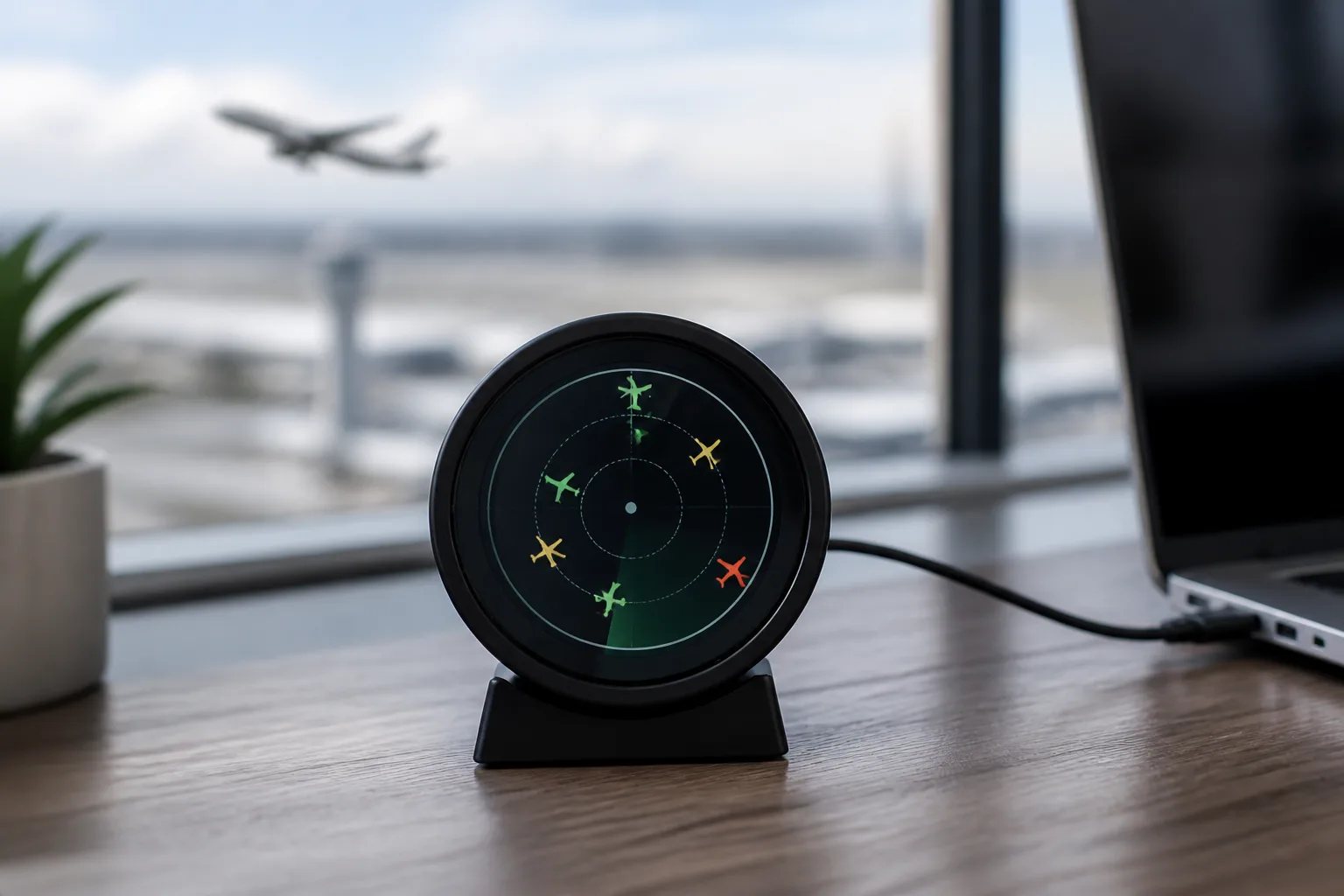
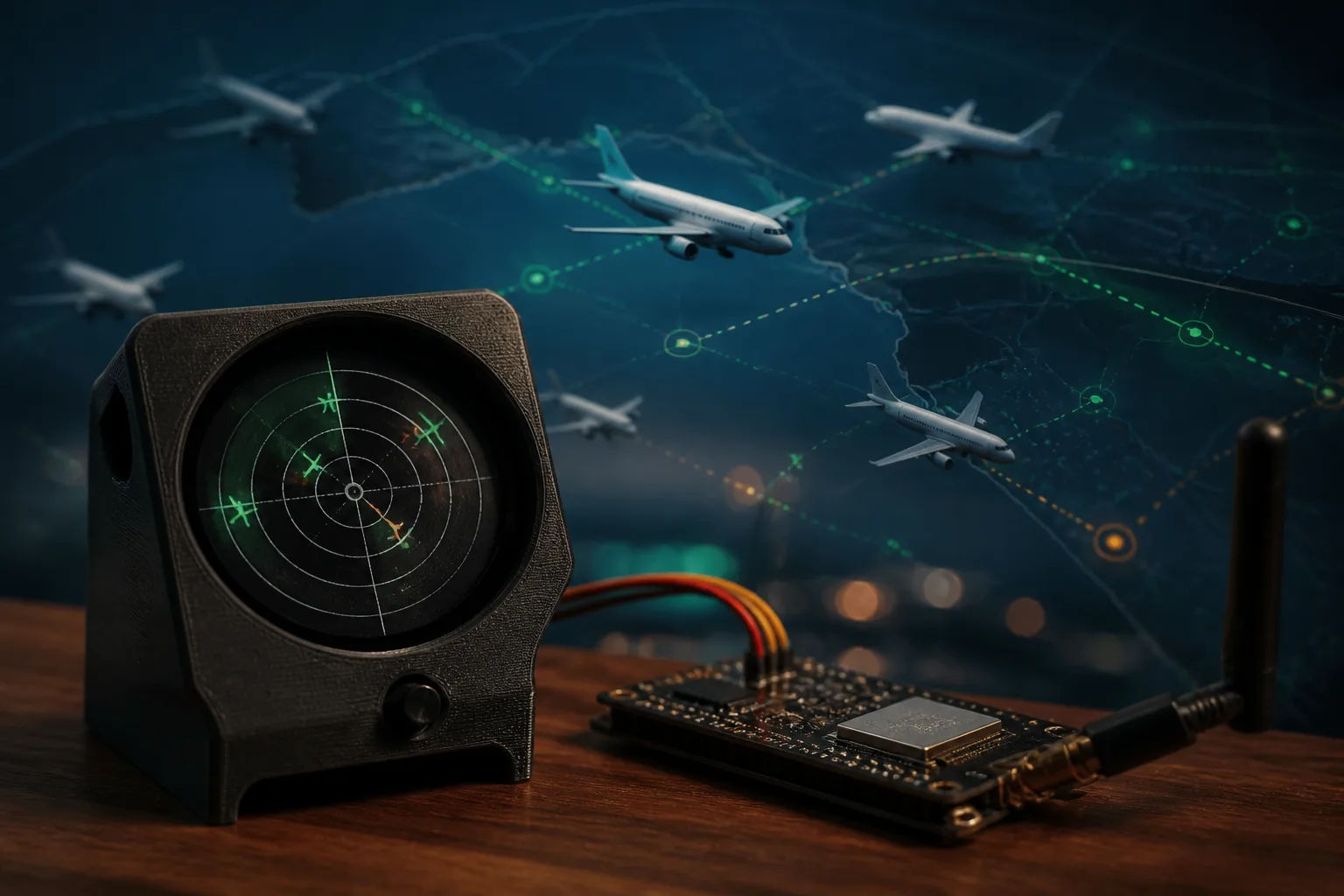
A recent maker project turns a small ESP32-C3 board and a 1.28-inch round display into what the author describes as a live aircraft radar for the desk. The device pulls in nearby ADS-B traffic, plots aircraft by distance and bearing, and presents flight details directly on the screen.
According to the source, the build was straightforward and needed only a bit of soldering. The creator says thin silicone-based wire made the cabling quick to finish, and the hardware was ready in roughly 15 minutes. The firmware was also easy to load onto a fresh ESP32 using the browser-based ESPHome web flashing tool, which the author says takes under 30 seconds.
The project started from a featured Makerworld model, but the physical enclosure did not work perfectly in the author’s setup. The source says the tolerances were too tight for the batch of boards used, making the printed case difficult to use as-is. That led to a temporary workaround with a different printed model, while the author considers designing a replacement later.
The most technically interesting part of the update is the firmware work. The author says they spent the day improving their fork of the ESP32 Plane Radar project. Those changes expand the data shown on the device. Where available, aircraft now include origin and destination instead of only a tail number, with the callsign used as a fallback. Aircraft types are also presented in a more descriptive form, such as B737-800 rather than a shorter class label.
The firmware update adds more than aircraft context. The display now also shows local weather, temperature, humidity, time, and date. The web interface has been extended so coordinates can be changed after initial setup, and display settings can be adjusted without resetting Wi-Fi. The source also mentions controls for units, runways, weather, temperature format, and 12- or 24-hour time. Text size was increased by default, and a persistent slider allows adjustment between 80% and 130%.
Finally, the updated firmware now supports authenticated OTA updates. In practical terms, that means future builds can be installed through the browser rather than reconnecting the board over USB.
Why it matters
The project is a good example of how small embedded devices can move beyond simple novelty and become useful information displays. The combination of an ESP32-C3, browser-based flashing, and a compact screen makes the build accessible, but the software changes are what make it feel more complete.
ADS-B traffic is already a familiar data source in aviation hobbyist projects, but this implementation adds a layer of context that can make the display easier to read at a glance. Showing route information, descriptive aircraft types, and local environmental data turns a basic aircraft list into something more like a situational dashboard.
The firmware improvements also point to a broader trend in maker projects: setup and maintenance are becoming more user-friendly. The author’s mention of browser flashing, web-based configuration, and authenticated OTA updates highlights how much of the experience now happens in software rather than in direct hardware tinkering. That matters for projects meant to sit on a desk and be updated over time.
There is also a practical lesson in the enclosure note. Even when the electronics and code work well, mechanical fit can still decide whether a project feels finished. In this case, the source suggests the printed case looked good but did not match the hardware tolerances closely enough. That kind of mismatch is common in custom hardware projects and often ends up shaping the next iteration.
What to watch
The author says the latest work is committed to the main branch, so the next step appears to be refinement rather than a full redesign. Two likely follow-ons are mentioned in the source: porting the project to a larger display and designing a more polished 3D-printed enclosure.
If those updates land, the project could shift from a small desk curiosity to a more legible and durable display. The larger screen would likely give the aircraft context and environmental data more room to breathe, while a custom enclosure could address the tolerance issues described in the current model.
For now, the source presents a focused snapshot of an evolving embedded software project: one that starts with a simple plane radar concept and then becomes more useful through firmware changes, remote updates, and interface tweaks. The hardware is modest, but the software work is what pushes it toward something practical enough to keep on a desk.