Key Takeaways
- Researchers analyzed ancient DNA from Medici skeletal remains to investigate a centuries-old cause-of-death debate.
- The study found genetic traces of malaria parasites in Francesco I de’ Medici’s bones, strengthening the disease explanation.
- The work highlights how paleogenomics can answer historical questions, though it does not fully rule out poisoning.
What happened
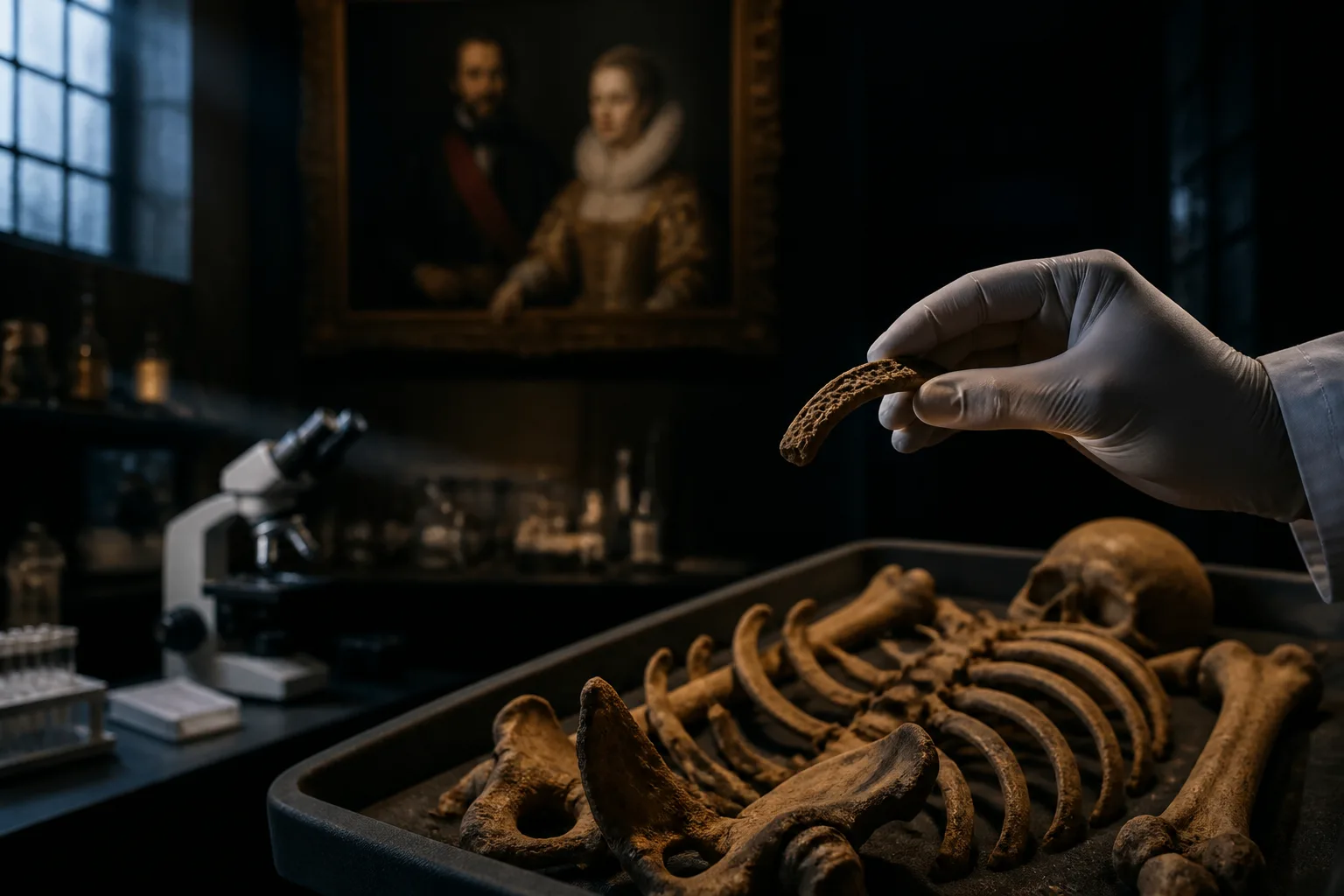
A new study has used ancient DNA methods to revisit one of the Medici family’s longest-running mysteries: whether Grand Duke Francesco I de’ Medici and his wife, Bianca Cappello, died from malaria or were poisoned.
The pair died within hours of each other in 1587 after days of illness. For centuries, some historians and researchers have argued that malaria was the more likely explanation, while others have pointed to assassination rumors tied to power struggles inside the family.
The latest research, led by Yale assistant professor of anthropology Serena Tucci with collaborators at Yale and the University of Pisa, drew on DNA extracted from skeletal remains. According to the study, genetic material linked to malaria parasites was found in samples from Francesco’s ribs. The researchers also examined remains of Francesco’s brother, Cardinal Giovanni de’ Medici, and found malaria-related DNA there as well.
The study is notable because earlier investigations had relied on other kinds of analysis. The source says paleo-immunological work had already suggested malaria, but that approach was not considered definitive. Ancient DNA, by contrast, can identify direct genetic signatures of a pathogen.
In Francesco’s remains, the researchers reported evidence of two malaria species, Plasmodium falciparum and Plasmodium malariae. In Giovanni’s sample, they found a previously unknown strain of Plasmodium falciparum. The study was published in iScience in June.
Why it matters
The technology angle here is not the Medici dynasty itself, but the method used to study it. Ancient DNA analysis, sometimes grouped under paleogenomics, is increasingly used to test questions that older techniques could only suggest.
That matters because historic cause-of-death cases often rest on incomplete records, conflicting symptoms, or later political rumors. DNA recovered from bones can provide a more direct biological line of evidence than written accounts alone. In this case, the researchers say the genetic findings strengthen the malaria explanation and reduce, though do not eliminate, speculation about poisoning.
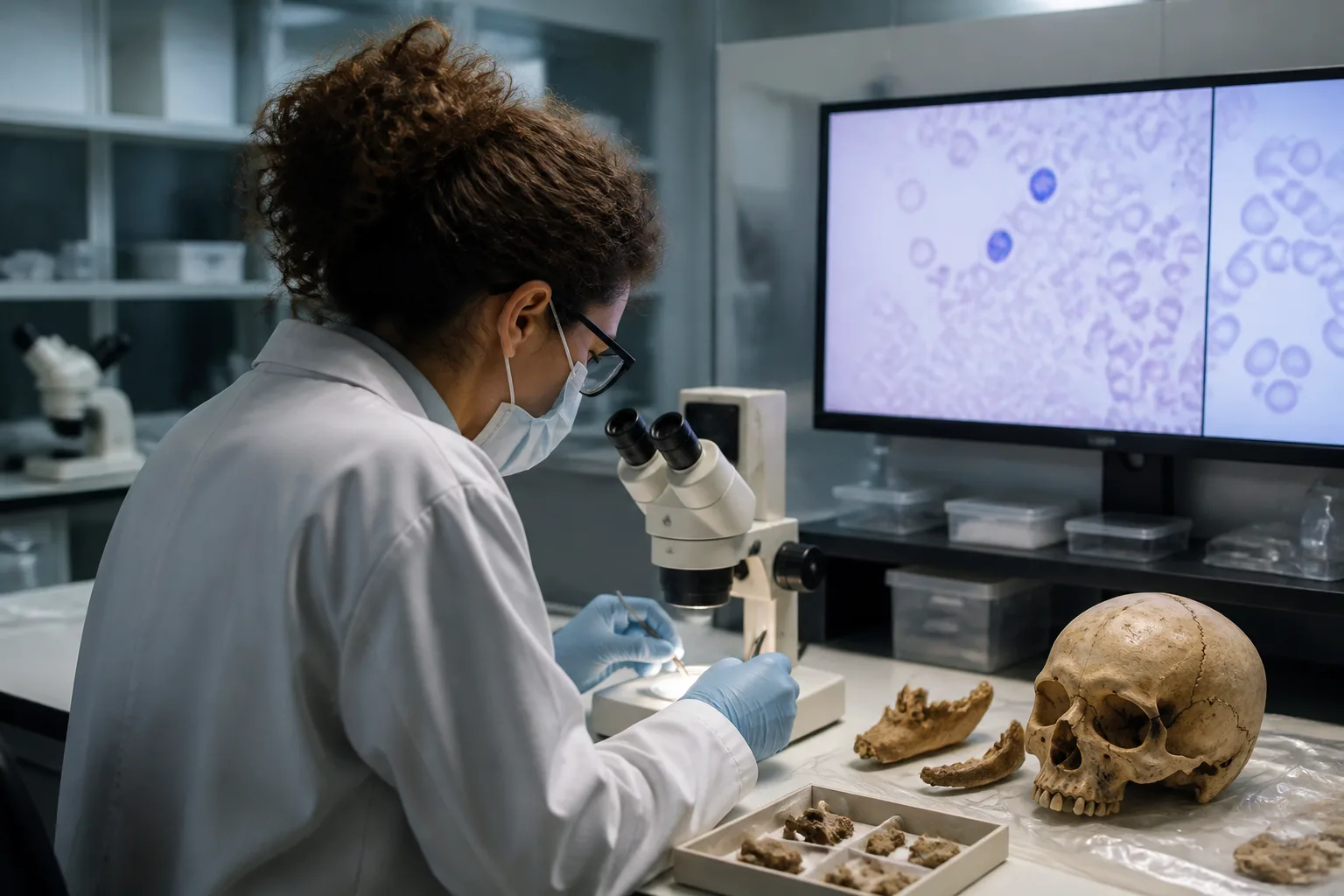
The study also shows how pathogen DNA can do more than identify a disease. It can help researchers trace how infections moved through time and place. The source says the findings add information about malaria in Renaissance Central Italy, a period and region where the historical record is limited.
At the same time, the research also shows the limits of this kind of evidence. Several experts quoted in the source caution that finding pathogen DNA does not prove it was the sole cause of death. A person can have malaria and still have been poisoned, and ancient remains can preserve different kinds of evidence unevenly.
That tension is important for science and data-driven historical analysis: more precise tools can narrow the range of plausible explanations, but they do not always produce a single final answer.
What to watch
The most important question is whether future analyses can bring in other forms of evidence alongside DNA. The source notes that some researchers still believe poisoning may have played a role, and that toxicological work on different tissue samples has been used to support that view.
It will also be worth watching how this study is received in the broader paleogenomics field. The source includes expert commentary that recovering pathogen DNA from centuries-old remains is technically difficult, which means methods, contamination controls, and interpretation standards will remain central to how persuasive results like these are.
More broadly, the Medici case is a reminder that ancient DNA is becoming a tool for resolving historical debates, not just evolutionary ones. As methods improve, similar analyses may be applied to other unresolved deaths, outbreaks, and pathogen histories — but only when the underlying samples are preserved well enough to study.
For now, the research appears to make malaria the strongest explanation for at least part of the Medici mystery, while leaving a small but important opening for other possibilities.