Key Takeaways
- Anthropic now wants states to move beyond transparency rules and adopt tougher AI safeguards.
- The company has backed state bills in California, New York, Illinois, and Massachusetts, focusing on large model developers.
- The push highlights how AI policy is increasingly being shaped at the state level while Congress stalls.
What happened
Anthropic is pressing state lawmakers to move faster on AI regulation, even as it has already helped win some of the first transparency-focused safety laws in the U.S. The company supported frontier AI safety bills in California and New York last year, but now says those rules may already be lagging behind the pace of model development.
Cesar Fernandez, Anthropic’s head of U.S. state and local government relations, told WIRED that the company believes the policy response has to keep up with rapidly improving AI capabilities. He said transparency and self-reporting are no longer enough for the most powerful systems.
Anthropic has also backed additional state measures. According to the source material, those include an Illinois proposal that would require AI labs to have their safety processes reviewed by third-party auditors, and a Massachusetts policy that would do the same while also allowing the state attorney general to seek injunctive relief against companies that do not comply.
Fernandez, who joined Anthropic after working in state government relations at FanDuel and Uber, is helping lead the company’s state-level outreach at a time when federal AI legislation remains stalled.
Why it matters
Anthropic’s position is notable because it comes from one of the most prominent frontier AI labs, not only from outside advocates or lawmakers. That gives the company unusual influence in a policy debate that is still being shaped.
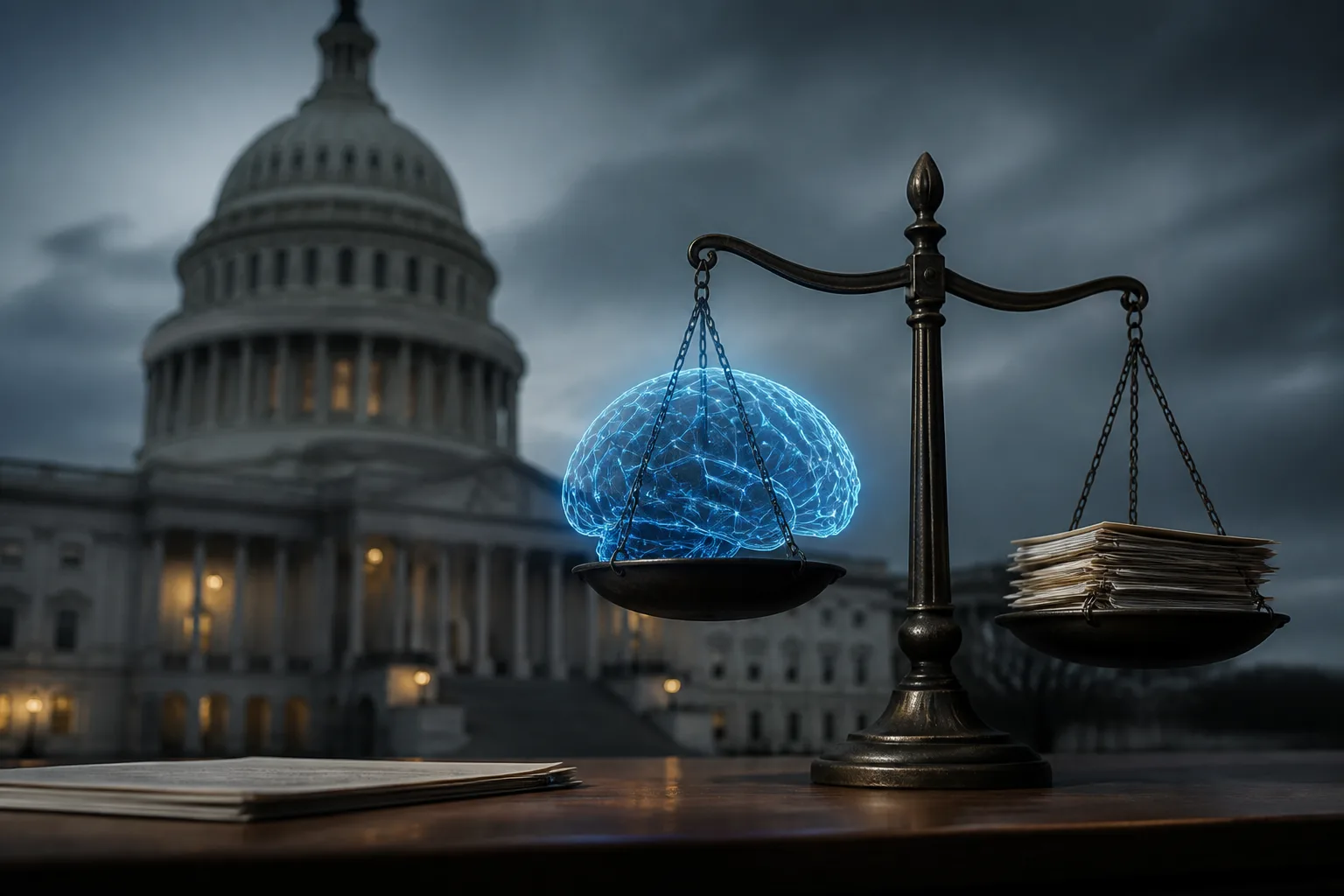
The company argues that the rules should apply to large AI model developers, not smaller startups. Fernandez said the bills Anthropic supports are aimed at companies that have spent hundreds of millions of dollars on AI development and have annual revenue above $500 million, though the exact language varies by state.
Critics in Silicon Valley see the strategy differently. David Sacks has argued that Anthropic is pushing cumbersome laws that could burden smaller rivals and amount to regulatory capture. Anthropic rejects that framing and says it is trying to create a “race to the top” in AI safety.
The broader context is important: state governments are becoming the main venue for AI policy while Congress has struggled to act. That makes Anthropic’s lobbying significant not just for what it says about frontier-model safety, but also for how AI companies may try to shape the rules before the market matures further.
What to watch
Watch whether other states follow California, New York, Illinois, and Massachusetts with similar requirements for audits, transparency, or enforcement tools.
Also watch where Anthropic draws the line. The company has said state-level policy should focus on transparency and safety measures, while broader powers to block unsafe deployments may belong at the federal level.
Finally, pay attention to whether the debate widens beyond catastrophic-risk regulation. The source material says Anthropic has been much more active on existential-risk issues than on other concerns many voters raise, such as jobs, data centers, and chatbot impacts on children.