Key Takeaways
- Apple lost its challenge to the EU’s gatekeeper designations covering the App Store and iOS.
- The Digital Markets Act is intended to force more competition by imposing obligations on major platforms.
- Apple can still appeal legal points to the EU’s highest court.
What happened
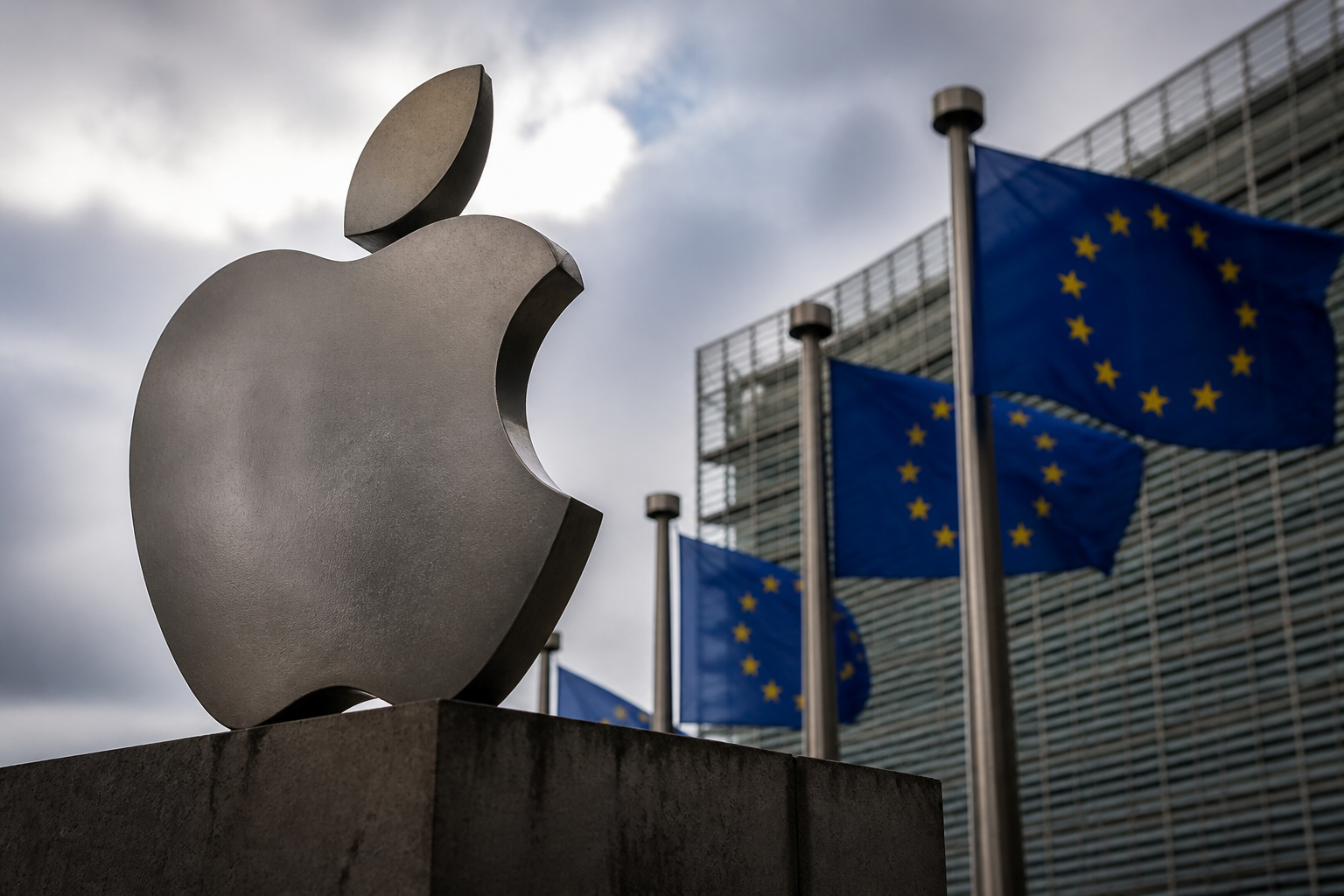
Apple has lost a legal challenge against the European Union’s Digital Markets Act, a major piece of competition regulation aimed at limiting the market power of large tech companies. In a ruling issued by the Luxembourg-based General Court, judges dismissed Apple’s objections to its designation as a gatekeeper for the App Store and iOS.
The case matters because the Digital Markets Act gives regulators a framework for imposing requirements on large digital services that are seen as important gateways between companies and users. The law includes a list of obligations and prohibitions for major platforms, with the possibility of fines reaching as much as 10% of a company’s global annual turnover.
According to the court, Apple’s App Store services were properly treated as a single core platform service. The judges said that, regardless of device type, those stores serve the same purpose: connecting app developers with end users to help distribute software applications.
Apple also challenged the classification of iOS as an important gateway for businesses to reach users. Under that designation, the company is expected to allow rivals to inter-operate with the system. The court sided with the EU competition enforcer on that point as well.
The company’s arguments over iMessage were not fully taken up in the same way. The court said Apple’s action regarding iMessage was inadmissible, and it added that the DMA obligations do not apply to iMessage because the service was not listed in a designation decision as an important gateway.
Why it matters
The ruling strengthens the position of EU antitrust regulators as they continue trying to open up markets to rivals and expand consumer choice in Europe. For Apple, the decision confirms that its platform businesses in the EU remain squarely within the scope of the bloc’s most consequential digital competition law.
The Digital Markets Act has already triggered legal challenges from several major technology companies, including Apple, Meta and ByteDance, since it took effect in May 2023. Wednesday’s judgment suggests the General Court is willing to uphold the European Commission’s approach to identifying gatekeepers and applying the law to their core services.
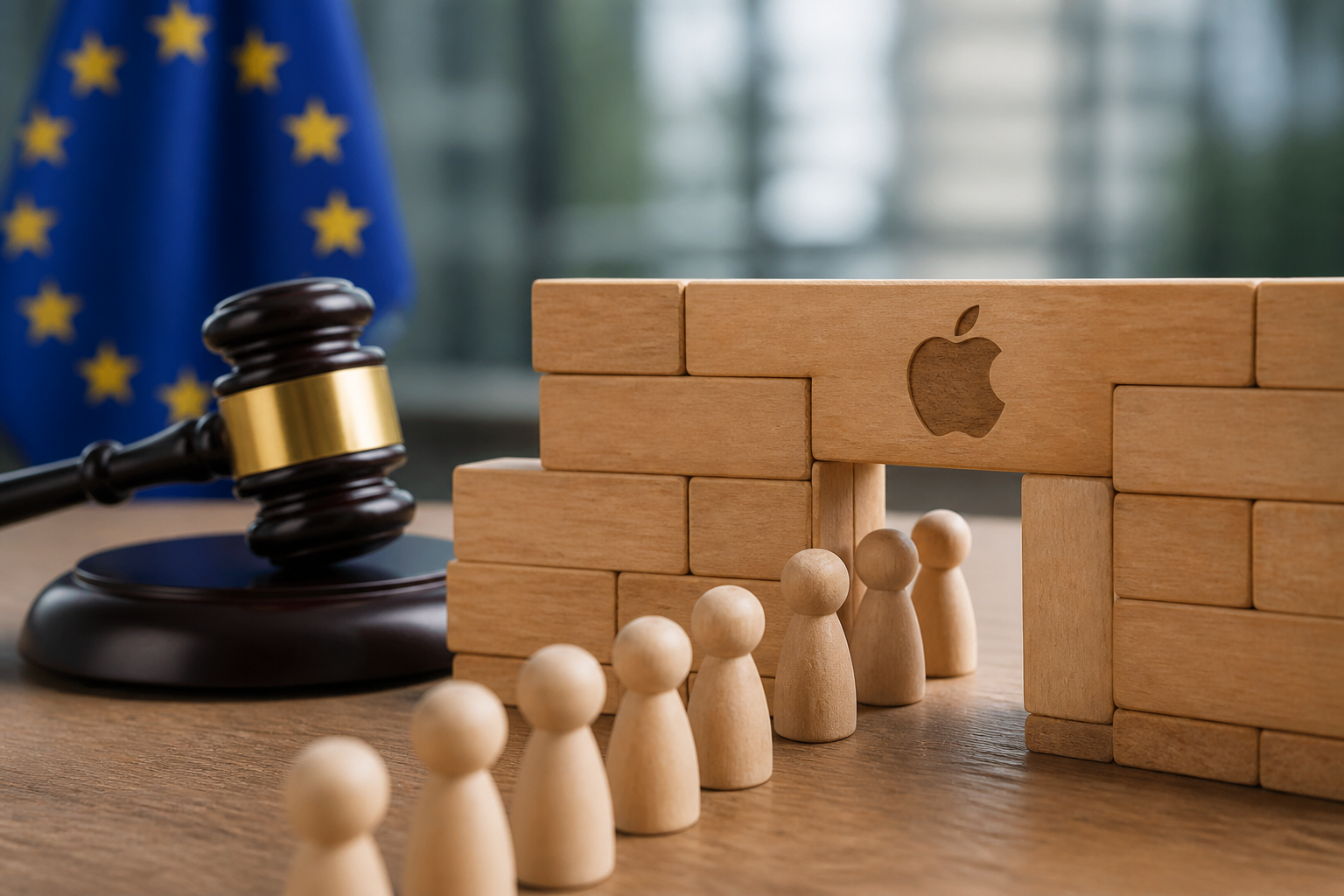
Apple has argued that the DMA goes too far. A company spokesperson said Apple believes the law exceeds what is lawful and proportionate, and that it threatens decades of privacy and security protections the company says it has built for users. Apple said it will continue advocating for innovation and privacy for European customers.
That response highlights the central tension in the case: EU regulators say these rules are needed to give competitors a better chance to reach users, while Apple says the obligations may weaken the protections and product experience it has built around its ecosystem.
For now, the ruling gives the European Commission another legal and political boost as it enforces the DMA against the largest digital platforms. It also shows that the law is being tested not just through policy debate, but through formal court challenges over how gatekeepers are defined and what obligations follow.
What to watch
Apple is still able to appeal points of law to the Court of Justice of the European Union, the bloc’s highest court. That means the dispute may continue even after this setback, depending on what legal issues Apple chooses to pursue.
The broader question is how the DMA will continue to shape the design of Apple’s services in Europe. The court’s reasoning suggests that the App Store and iOS remain central to the Commission’s case that Apple operates services that connect developers and users at scale.
It will also be worth watching how other companies with DMA challenges fare as the regime continues to mature. Since the law has only been in force since 2023, the case law around gatekeeper designation and service classification is still developing.
Another point to monitor is how Apple balances compliance and its long-running argument that EU requirements could affect privacy and security. The company has publicly framed that concern as part of a broader defense of its ecosystem, but the court ruling indicates regulators are likely to keep pressing ahead with the DMA’s competition-focused rules.