
Key Takeaways
- A Deutsche Bank-hosted expert call, as reported by Wccftech, puts China’s domestic chip shipments at about 5 million units in 2026.
- The report says local manufacturing is being driven by SMIC and Shanghai Huahong, while access to advanced AI chips from NVIDIA remains restricted.
- JPMorgan is also cited as expecting domestic AI chip shipments to continue growing over the next few years, with Huawei and Cambricon seen as key names.
What happened
A report cited by Wccftech says China’s domestic chip shipment volumes are expected to continue climbing, with an expert call hosted by Deutsche Bank placing shipments at around 5 million units in 2026. The same source says local firms shipped about 4 million units in 2025, and that the domestic chip sector is expected to grow at a compounded annual growth rate of 30% over the next two to three years.
The report frames that growth against a constrained external supply environment. China remains restricted from buying the latest AI GPUs from NVIDIA, and the article says Beijing is also limiting purchases of NVIDIA’s China-specific chips in an effort to encourage local production.
The source material says the bulk of China’s domestic chip manufacturing needs are currently being met by Semiconductor Manufacturing International Corporation, or SMIC, and Shanghai Huahong Grace Semiconductor Manufacturing Corporation. It also says those two manufacturers are expected to raise their share of the domestic market to more than 50%, up from 40%.
The article also points to Moonshot AI’s Kimi K3 model as a recent example used in the broader discussion around local chips. According to the source, Moonshot said the model was trained exclusively on domestic chips.
Why it matters
The broader significance is not just the shipment number itself, but what it suggests about the shape of China’s semiconductor ecosystem under sanctions. If local chip demand continues to shift toward domestic suppliers, then manufacturers such as SMIC and Shanghai Huahong could take on a larger role in meeting internal demand for computing hardware.
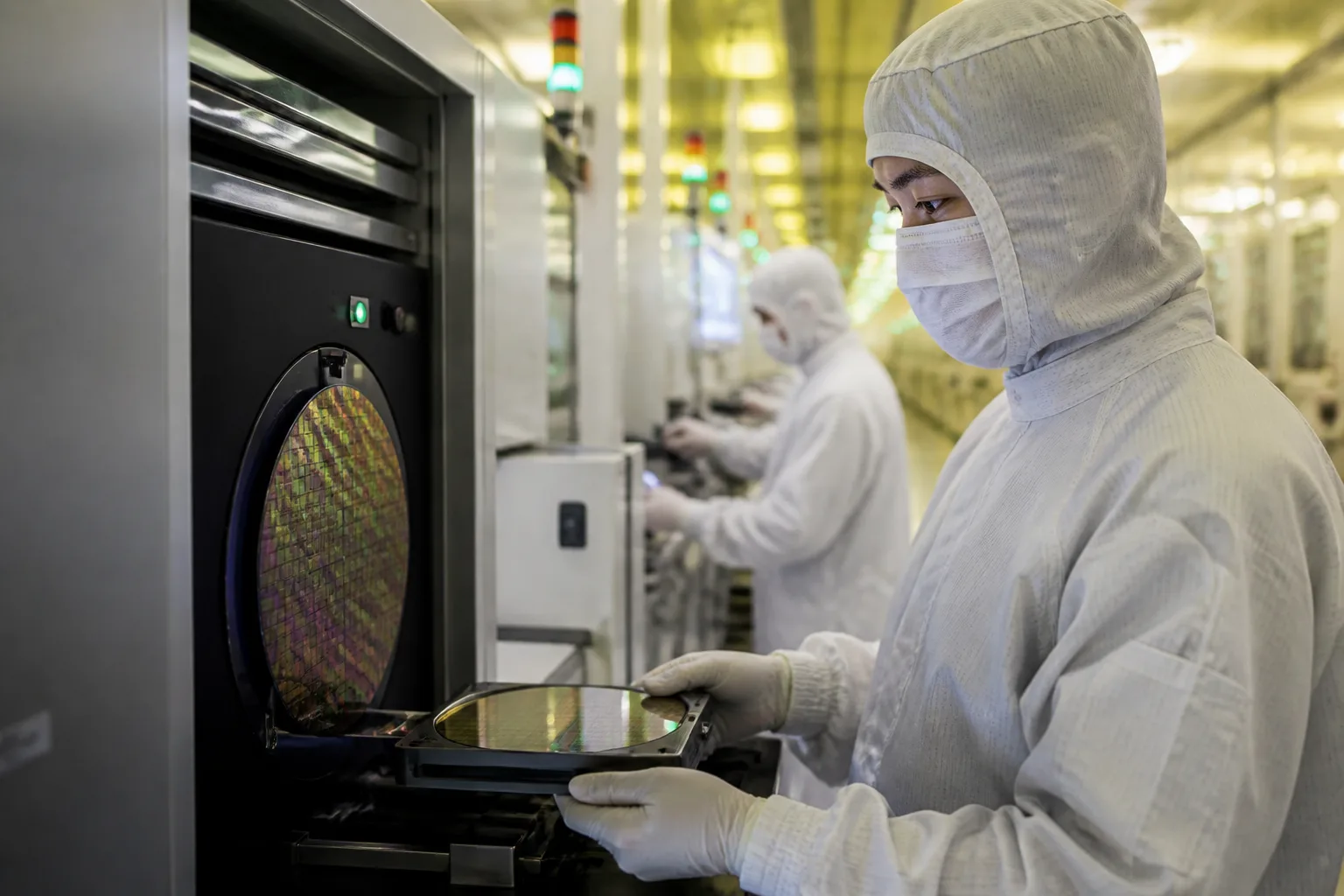
The report also shows how China’s AI and chip supply chains are being pulled into the same policy environment. Restrictions on advanced NVIDIA hardware, along with constraints on chipmaking equipment needed for leading-edge production, appear to be pushing more developers and buyers toward domestic alternatives.
The source additionally cites JPMorgan as echoing the same direction of travel. In that bank’s view, domestic AI chip shipments could rise from 1 million in 2025 to 5 million in 2028, with Huawei and government-backed Cambricon Technologies expected to capture much of that growth.
That matters because the report positions domestic chips not as a short-term workaround, but as a growing segment with its own production base, customer demand, and competitive set. In other words, the story is as much about industrial capacity as it is about AI.
What to watch
The first thing to watch is whether shipment growth matches the report’s expectations. The source cites a path from 4 million units in 2025 to 5 million in 2026, but that remains a forecast rather than a confirmed shipment tally.
Second, it will be important to see whether SMIC and Shanghai Huahong continue increasing their share of domestic supply. The report says their combined domestic share is expected to move above 50%, which would be a notable shift if it materializes.
Third, attention should stay on Huawei and Cambricon. The JPMorgan figures cited in the report suggest those companies could be central to the next phase of domestic AI chip growth.
Finally, the supply side remains constrained by access to advanced chipmaking machines, which the source says Chinese manufacturers are still sanctioned from acquiring. That limitation could shape whether domestic production growth is sustained, or whether it runs into capacity bottlenecks.
Overall, the report points to a Chinese chip market that is growing despite external constraints, but the exact pace and composition of that growth will depend on how successfully domestic suppliers can scale.