Key Takeaways
- China will begin taxing lithium-ion batteries at 2% from September, with the rate rising to 4% a year later.
- Solar cells will face the same levy starting in April 2027, before the rate doubles in April 2028.
- Investors appeared to read the move as supportive of consolidation in sectors that have been strained by overcapacity and price pressure.
What happened
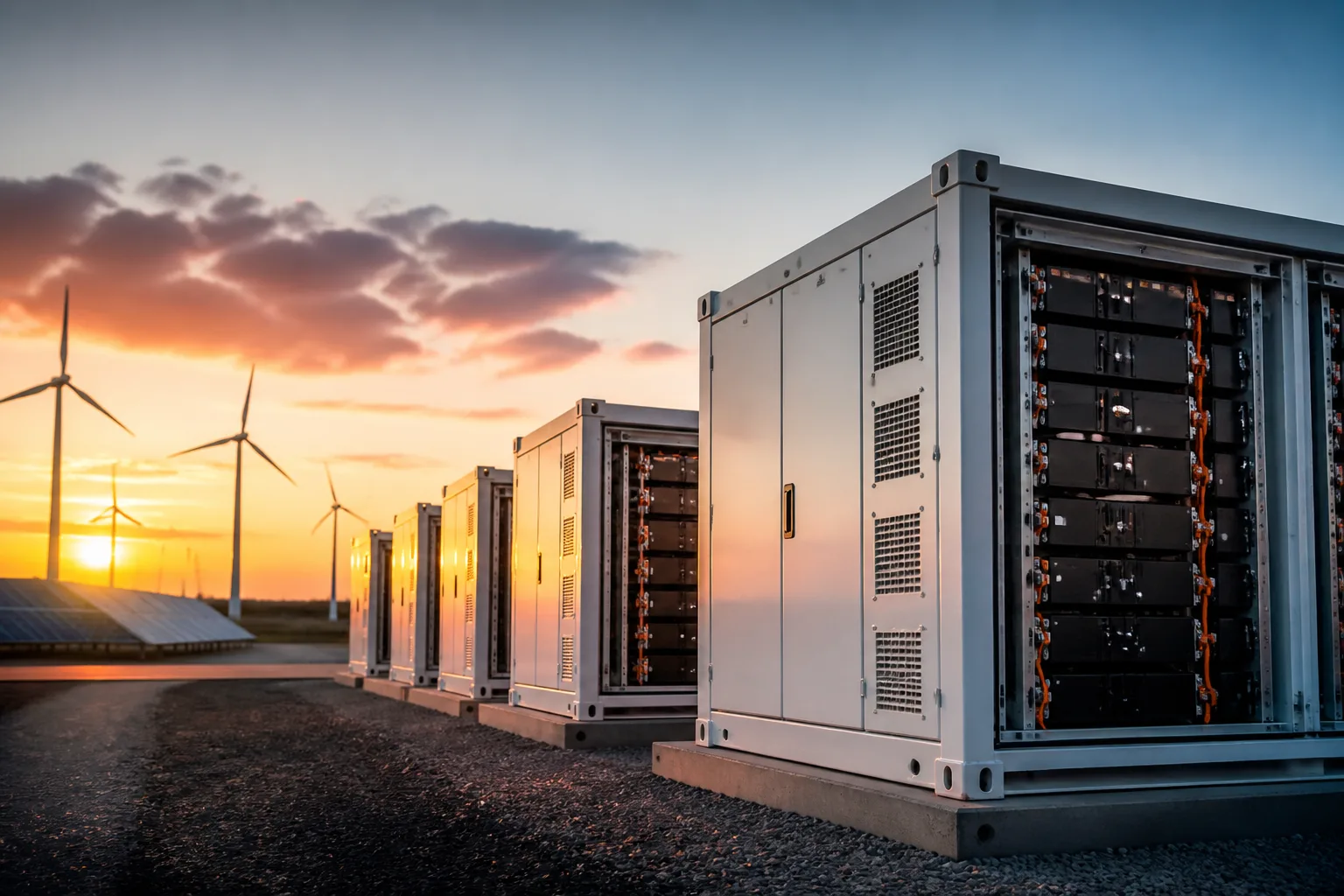
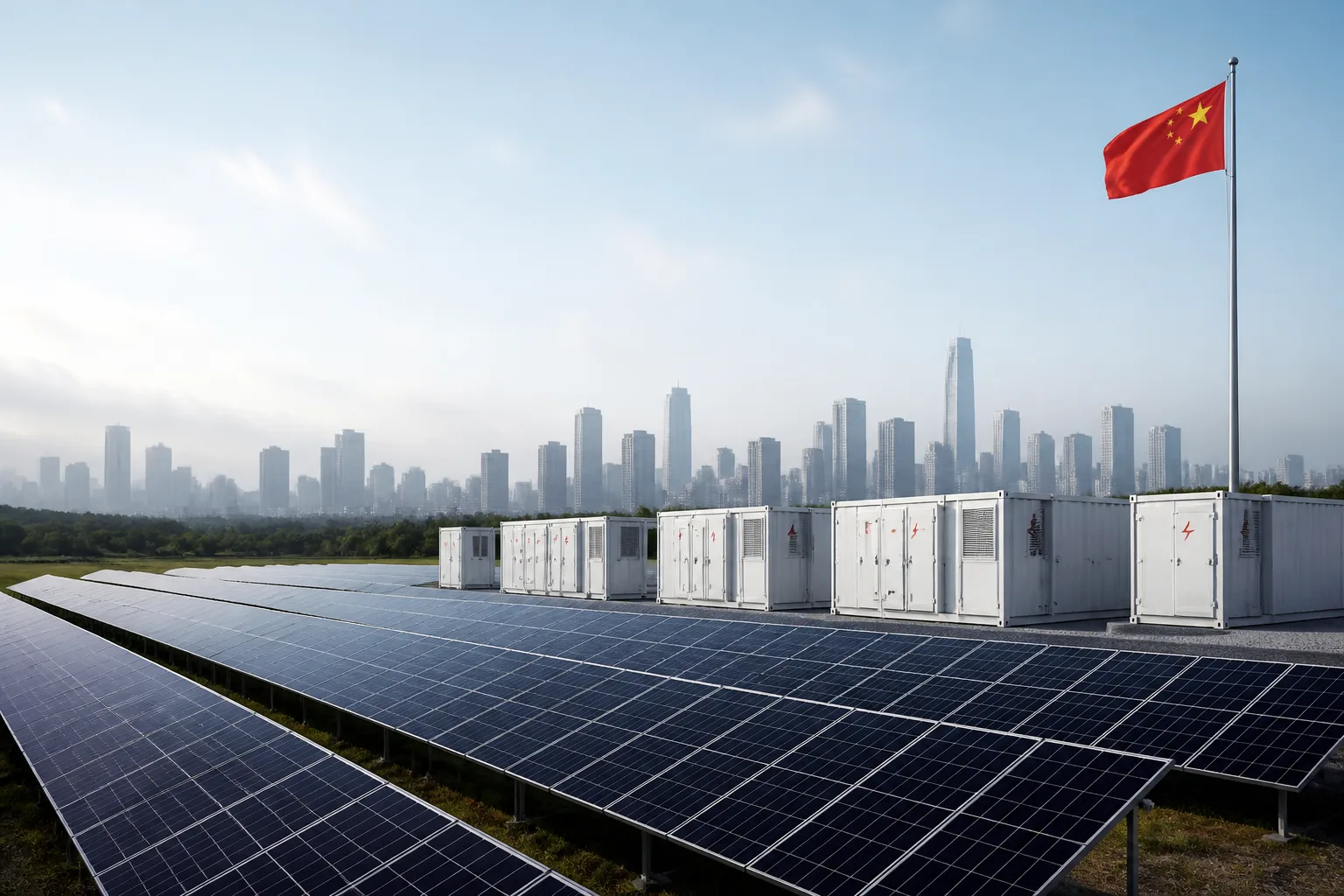
Shares of most Chinese solar and major battery makers moved higher on Monday after Beijing announced a new consumption tax for two major clean-energy product lines. The policy applies first to lithium-ion batteries, which will face a 2% levy from September this year and a 4% rate a year later. Solar cells are set to come under the same tax starting in April 2027, with the rate increasing again in April 2028.
The market response was immediate. Solar manufacturer Longi Green Energy Technology Co. rose as much as 2.4%, while Jinko Solar Co. gained 1.8%. Battery maker Contemporary Amperex Technology Co. climbed as much as 4.3% in Shenzhen, and its Hong Kong-listed shares were up as much as 3.4%.
The tax reverses a long-standing exemption. China had exempted solar and lithium batteries from the consumption tax in 2015 as part of a broader effort to strengthen its clean-energy industries. That policy helped support rapid capacity growth, but it also contributed to intense competition and repeated price pressure.
Why it matters
The announcement lands in industries that have very different near-term conditions but share a common structural issue: capacity expansion has outpaced profitability. In solar, the problem is especially visible. The sector has been dealing with more than two years of persistent overcapacity and mounting losses, and Beijing has already taken other steps to curb excess production, including tighter national efficiency standards for solar and polysilicon products.
Battery makers have benefited from relatively strong demand tied to electric vehicles and energy storage. Even so, analysts have warned that faster expansion could create the same oversupply dynamics that have already hurt solar producers. The new tax may reinforce that concern by raising costs across the supply chain.
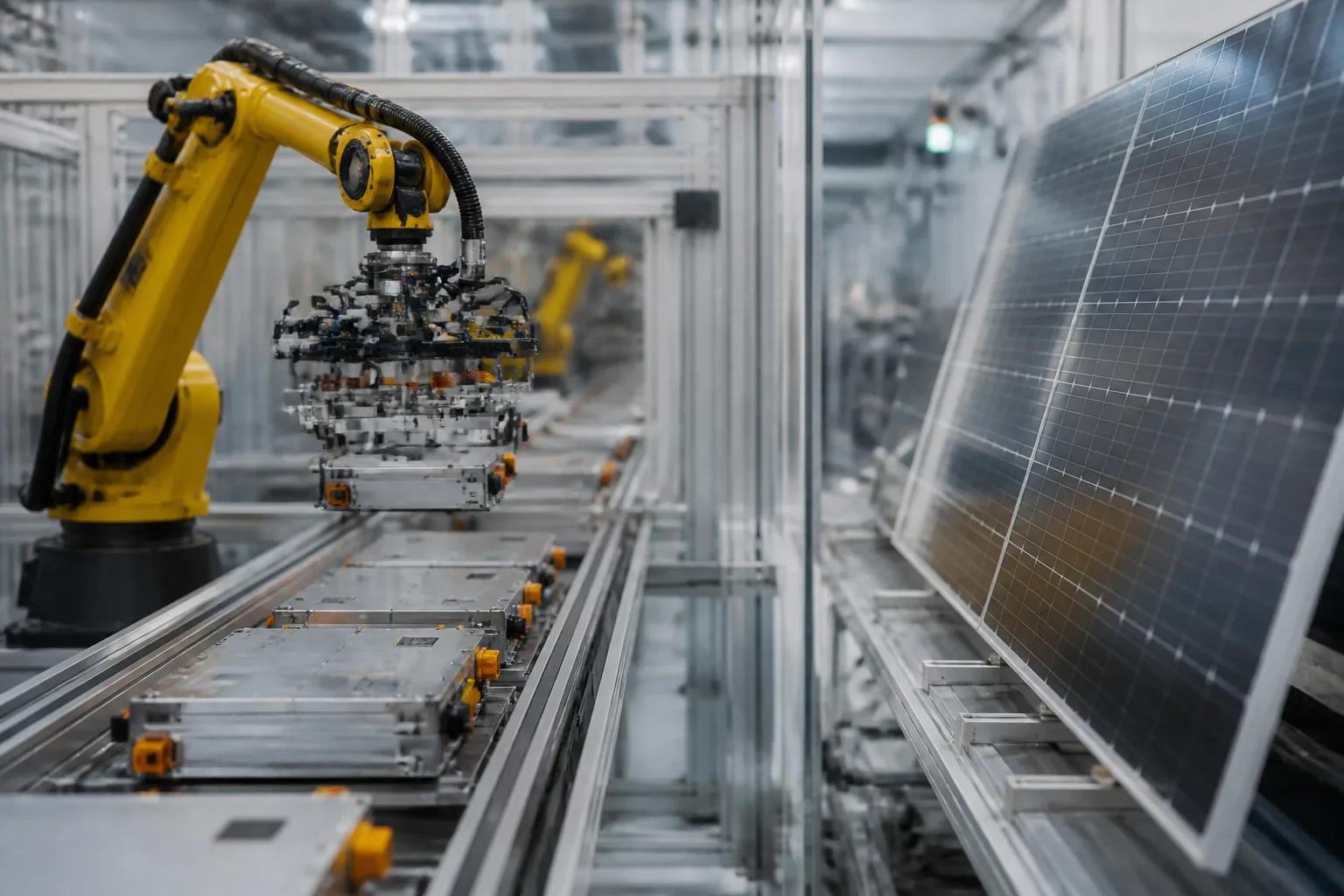
Market commentary in the source points to a divide between larger and smaller firms. Bernstein analysts said the policy could weigh on demand or margins, and noted that the China battery industry is already dealing with overcapacity at the Tier 2 level. JPMorgan analysts said the measure was broadly in line with expectations and should support Beijing’s effort to reduce excess capacity. They also suggested larger companies such as CATL are better positioned than smaller rivals to absorb the tax or pass it through.
The policy also tries to be selective about which technologies it touches. Newer products, including perovskite solar cells, sodium-ion batteries and solid-state batteries, will remain exempt through the end of 2028. That detail suggests Beijing is trying to avoid discouraging next-generation technologies while applying pressure to mature segments that have already grown rapidly.
What to watch
One key question is whether the tax changes accelerate consolidation or simply squeeze margins in the near term. Citic Securities analysts argued that the phased rollout gives companies time to adjust inventory and absorb costs, which may soften the immediate impact. They also said the changes could add as much as 45 billion yuan, or about $6.6 billion, in government revenue.
Another point to watch is how companies choose to respond. Larger manufacturers may be able to offset the levy through pricing power or scale, while smaller firms may have less room to maneuver. That could matter most in the battery supply chain, where analysts already see overcapacity among lower-tier producers.
It will also be important to see whether Beijing extends the same industrial discipline to adjacent segments. The solar sector has already faced tighter efficiency requirements, and the new tax suggests policymakers are still willing to use fiscal tools to reshape supply. For investors, the short-term reaction may hinge less on the tax itself than on whether it signals a broader effort to force a cleaner balance between capacity and demand.