Key Takeaways
- Reuters says DeepSeek has been working for about a year on a plan to enter the silicon business.
- The reported focus is on data center chips for inference, not training.
- The move would fit a broader pattern of Chinese and U.S. AI firms seeking more control over chip supply.
What happened
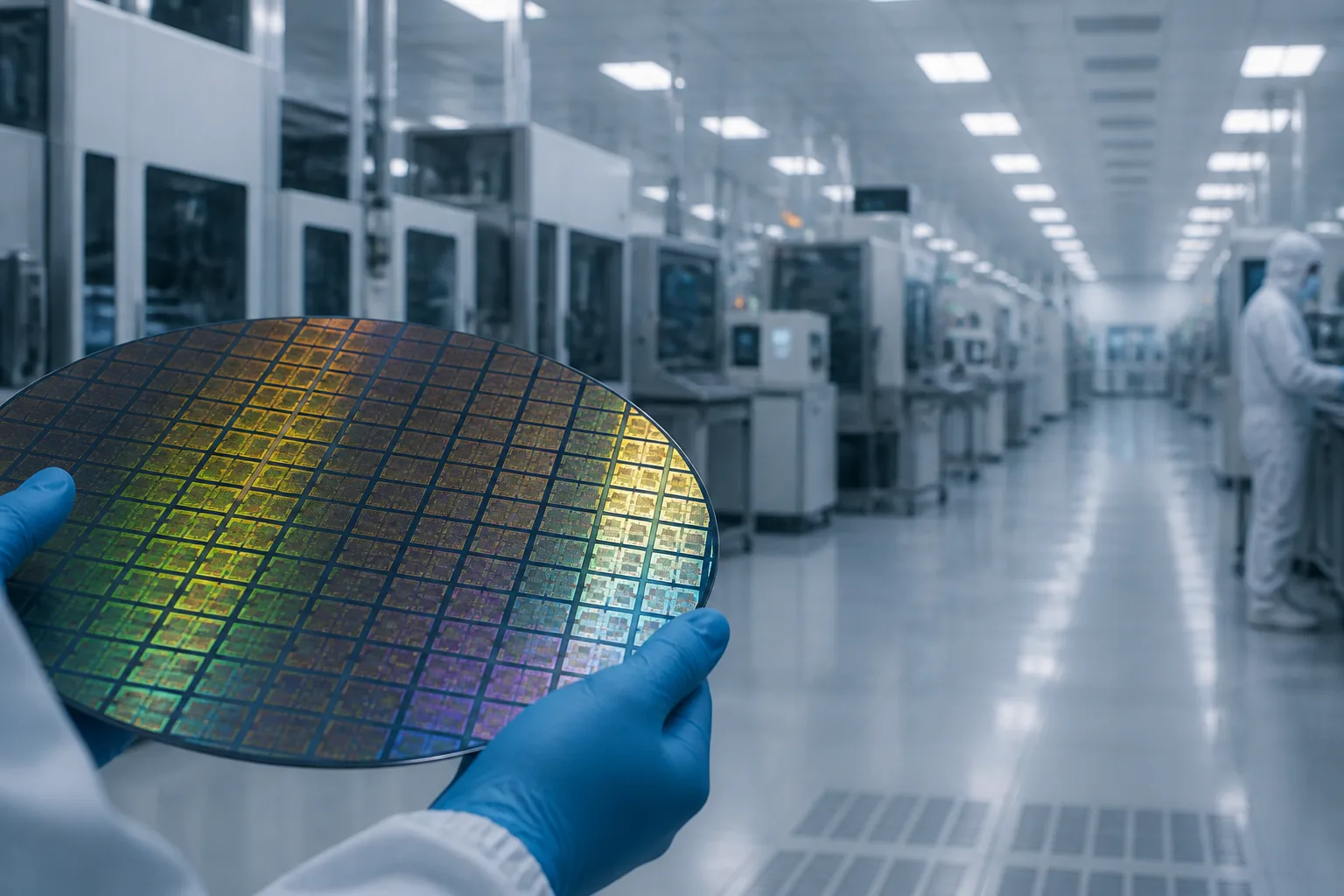
DeepSeek, the Chinese startup behind large language models that compete with U.S. systems from companies such as OpenAI and Anthropic, is reportedly preparing to design its own AI chips. According to Reuters, which cited three people familiar with the matter, the company has been working on the effort for about a year.
The reported plan is not simply a theoretical exploration. Reuters said DeepSeek has been meeting with potential partners in hardware and silicon and has also been hiring engineers for the project. The emphasis appears to be on data center chips used for inference rather than training, which suggests DeepSeek is looking at the part of the AI stack where models are deployed and run, not only where they are built.
The move would place DeepSeek in a growing group of AI companies trying to reduce dependence on outside chip suppliers. In the current market, Nvidia remains the dominant chipmaker for many AI companies in North America and Europe, but U.S. export restrictions have limited its ability to play a similar role in China. The source material says Huawei now controls about half of the data center chip market there, and other Chinese tech companies, including Alibaba and Baidu, have also been moving in this direction.
Why it matters
DeepSeek’s reported chip plans are notable because they sit at the intersection of export controls, AI infrastructure, and industrial strategy. If a leading model developer decides it needs custom silicon, that is a sign that access to high-end chips is becoming not just a procurement issue, but a strategic constraint that can shape product roadmaps.
The Reuters report frames DeepSeek’s effort as part of an urgent response to the effect of U.S. export controls. Those controls have already altered the balance of power in China’s AI supply chain by limiting Nvidia’s reach and leaving more room for domestic players such as Huawei. If DeepSeek succeeds in developing its own chips, it could reduce its reliance on both Huawei and Nvidia, which would give the company more leverage over its infrastructure choices.
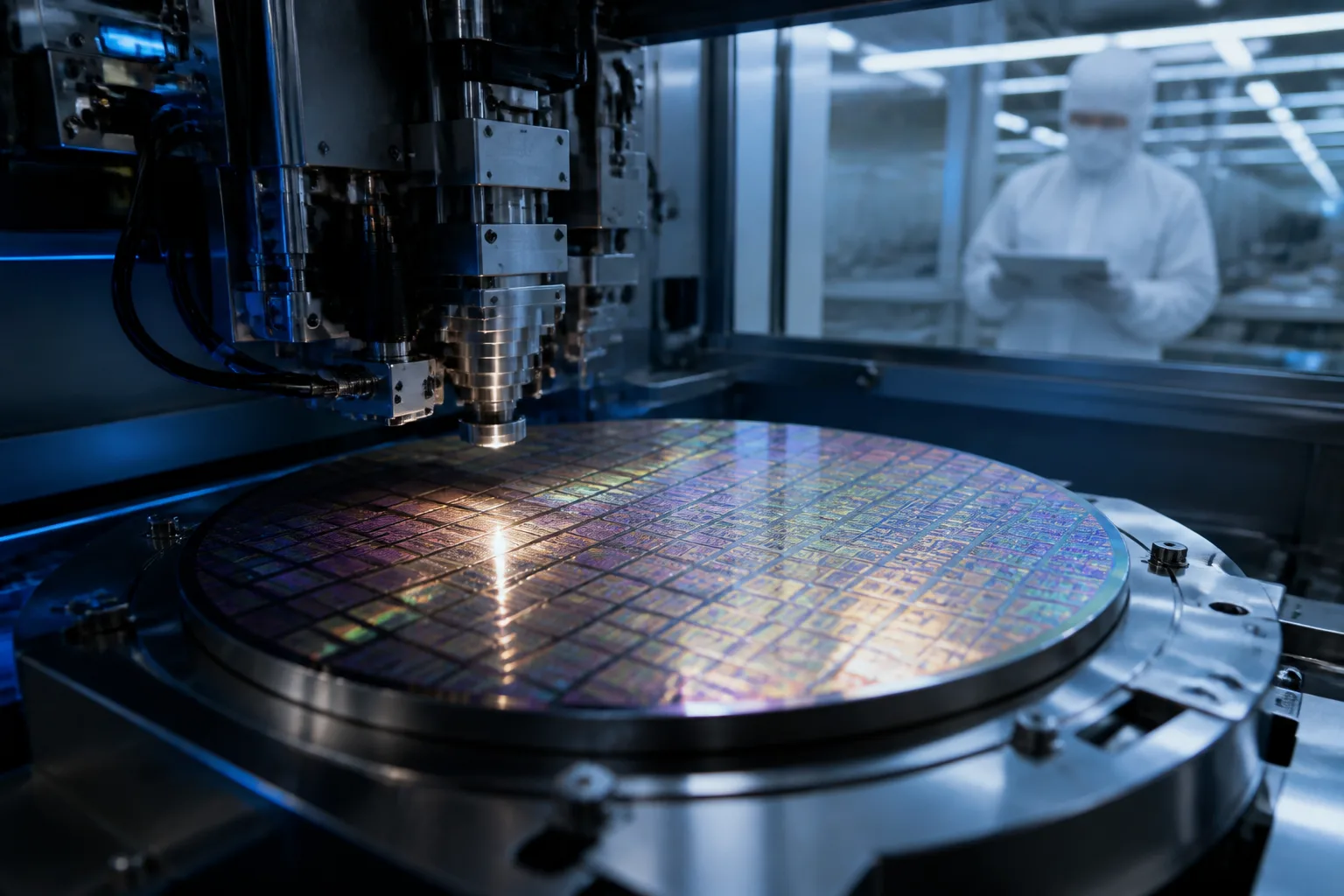
There is also a broader industry pattern here. The source material notes that U.S.-based AI companies are pursuing similar ideas. OpenAI and Broadcom recently announced Jalapeño, described as OpenAI’s first chip designed for inference at scale. Anthropic has also explored custom chip design, even though it has not publicly shown comparable milestones yet.
That parallel matters because it shows the chip race is not only about national policy. It is also about how AI companies want to control cost, performance, and access as compute remains scarce. The source material says that getting involved at both the silicon and data center levels can give companies an advantage when compute is constrained and multiple firms are competing to scale their models and services.
In other words, DeepSeek’s reported move is not just a hardware story. It is a sign that the AI industry is moving further toward vertical integration, with chip design becoming part of the core strategy for both Chinese and U.S. players.
What to watch
The biggest question is whether DeepSeek’s reported work turns into an actual chip program with visible milestones. The source material indicates the effort is still early and based on reported sourcing, so execution details could change.
A few developments would be especially worth watching:
- Whether DeepSeek confirms any partnership with a silicon designer, manufacturer, or packaging partner.
- Whether the company continues hiring engineers with chip design experience.
- Whether the focus remains on inference chips for data centers, or expands into other parts of the AI hardware stack.
- Whether other Chinese AI companies accelerate similar efforts in response to export controls.
- Whether U.S. AI firms continue moving toward custom silicon, reinforcing the broader shift away from one-size-fits-all hardware.
For now, the most defensible takeaway is that DeepSeek appears to be responding to a changed supply environment. Export controls have not only made the chip market harder to navigate in China; they may also be encouraging major AI labs to become chip designers themselves.