Key Takeaways
- The IRGC has claimed an attack on Amazon’s data infrastructure in Bahrain, but CNBC says it could not verify that report independently.
- U.S. strikes and Iranian retaliation are affecting the Strait of Hormuz, where fewer ships are transiting and some are moving with transponders off.
- Renewed disruption has pushed oil prices higher and renewed concerns about damage to regional infrastructure and shipping routes.
What happened
Hostilities between the U.S. and Iran have intensified again over the past 10 days after President Donald Trump declared the ceasefire with Iran “over.” Since then, both sides have launched military strikes.
One of the most striking claims tied to the conflict’s technology dimension came from Iran’s Islamic Revolutionary Guard Corps, which said it had attacked Amazon’s data infrastructure in Bahrain. The claim was reported by Fars, an IRGC-linked state media outlet, which said the central data infrastructure of Amazon in Bahrain was struck with cruise missiles and destroyed. CNBC said it could not independently verify the claim and had reached out to Bahrain’s National Communication Center and Amazon for comment.
The tech sector has already been caught in the conflict before. Earlier in the year, apps and digital services in the UAE were hit by outages after drone strikes on Amazon Web Services data centers in the country, and a facility in Bahrain was also damaged. In April, the IRGC threatened attacks on several major U.S. technology companies with operations in the Middle East, including Nvidia, Apple, Microsoft, and Google.
At the military level, U.S. Central Command has carried out 10 straight nights of strikes on Iran, saying the attacks are intended to degrade Iranian capabilities used to attack commercial shipping in the Strait of Hormuz.
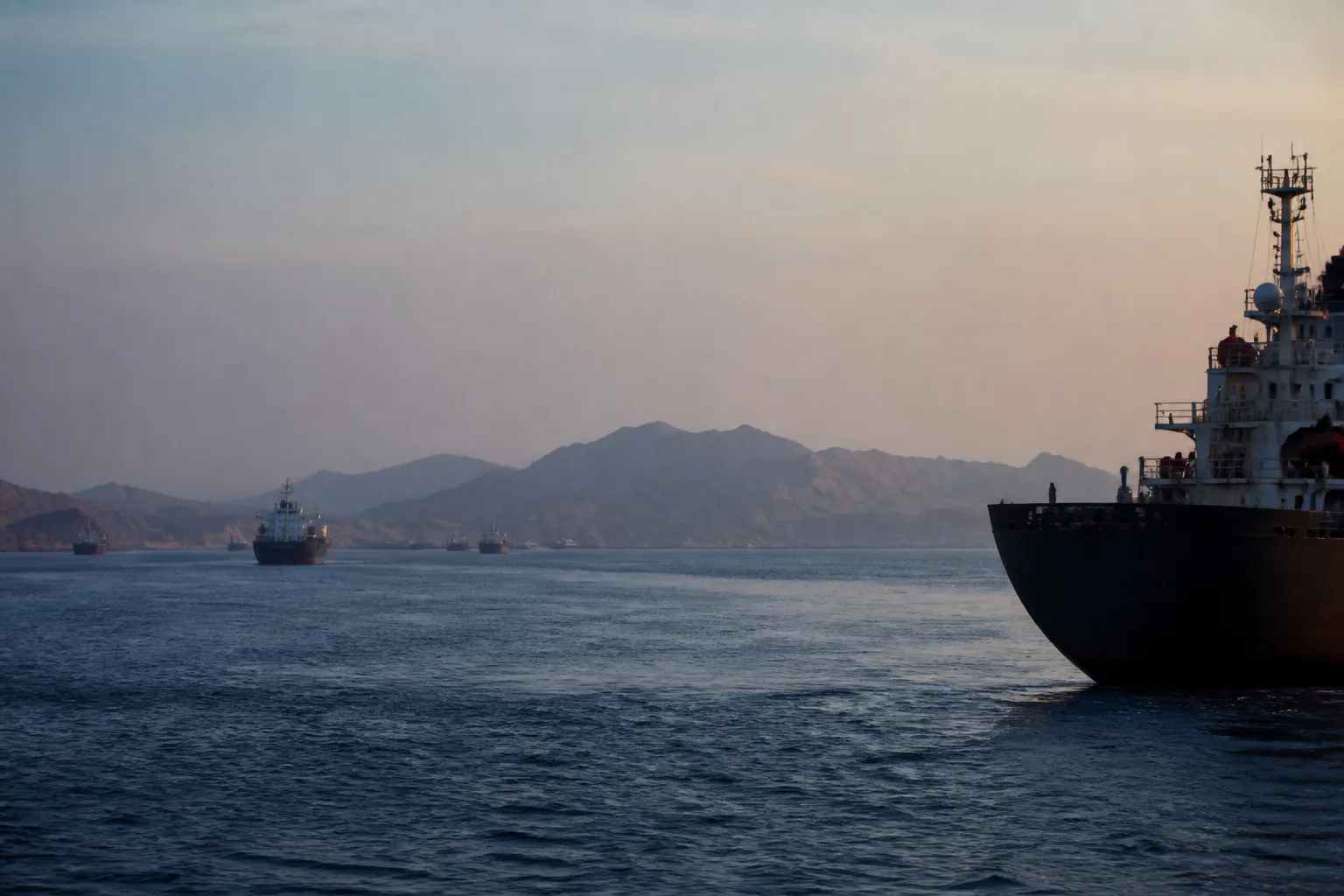
That shipping corridor is already under pressure. According to analysts cited by CNBC, ships have been transiting the strait with transponders turned off, and Kpler said only 30 ships passed through the strait over the weekend. That compares with more than 100 ships a day before the U.S. and Israel attacked Iran on Feb. 28.
The Trump administration, meanwhile, says the Strait of Hormuz remains open and that millions of barrels of oil are still being shipped daily under U.S. military protection.
Why it matters
This conflict matters far beyond the battlefield because it intersects with the infrastructure that keeps digital services and global logistics running.
Bahrain is one of the regional locations where cloud and data infrastructure has already been drawn into the conflict, showing how quickly military escalation can spill into technology operations. The reported Amazon claim, even though unverified, reflects the risk that cloud facilities and connectivity hubs in the Middle East face when military exchanges intensify.

The Strait of Hormuz is also a major choke point for physical infrastructure tied to the digital economy. The U.S. Energy Information Administration says about 20.3 million barrels of petroleum and crude oil pass through the strait daily, or roughly 25% of global seaborne oil trade. Nearly 90% of those flows go to Asian markets, especially China and India.
As shipping slows, the effects show up in markets. Brent crude rose above $90 on July 20 for the first time in more than a month, and U.S. crude futures also reached their highest point in a month. Amrita Sen of Energy Aspects told CNBC that if disruption continues into August, depleted inventory buffers could force Gulf production lower and send crude prices back into triple digits.
There is also a broader operational risk. Iran has continued to show it can strike commercial shipping, launch missiles and drones, and hit countries hosting American bases. CNBC reported that three U.S. servicemen were killed recently in attacks on countries hosting U.S. forces, and President Trump said Tehran “will pay” for those deaths “many times over.”
What to watch
The next few days will likely turn on whether diplomacy or escalation takes hold.
Axios reported, citing sources familiar with the matter, that regional mediators including Qatar and Pakistan had presented the U.S. and Iran with a 10-day ceasefire proposal. At the same time, the report said Washington is preparing for the talks to fail, and Israel is considering a possible expansion into a full-scale, coordinated campaign.
Shipping through the Strait of Hormuz will remain a key signal. If the number of transits stays low or more vessels begin moving without transponders, that would suggest continued pressure on one of the world’s most important energy routes.
The Bab el-Mandeb Strait is another risk point. Houthi militants declared a maritime embargo against Saudi Arabia effective immediately on Monday night, threatening to deepen the oil supply disruption already caused by attacks on tankers in Hormuz. Saudi Arabia has been using a pipeline to move millions of barrels a day to a Red Sea export terminal, which has helped cushion markets; a disruption at Bab el-Mandeb could weaken that relief valve.
For tech operators, the key question is whether the conflict widens to more regional infrastructure, including data centers, cloud facilities, and communications systems. The source material shows that these systems are already in the threat envelope, even when the direct fighting is focused elsewhere.