Key Takeaways
- Peak Energy says its sodium-ion batteries are built for grid storage, not EVs, and GM is helping codevelop and manufacture them.
- The company claims a passive-cooling design can cut lifetime costs versus lithium-iron phosphate storage, even though the cells still trail LFP on energy density and current cell price.
- GM, Peak Energy, and several utility-side partners are testing and planning deployments, but U.S. sodium-ion supply chains and factory scale remain early.
What happened
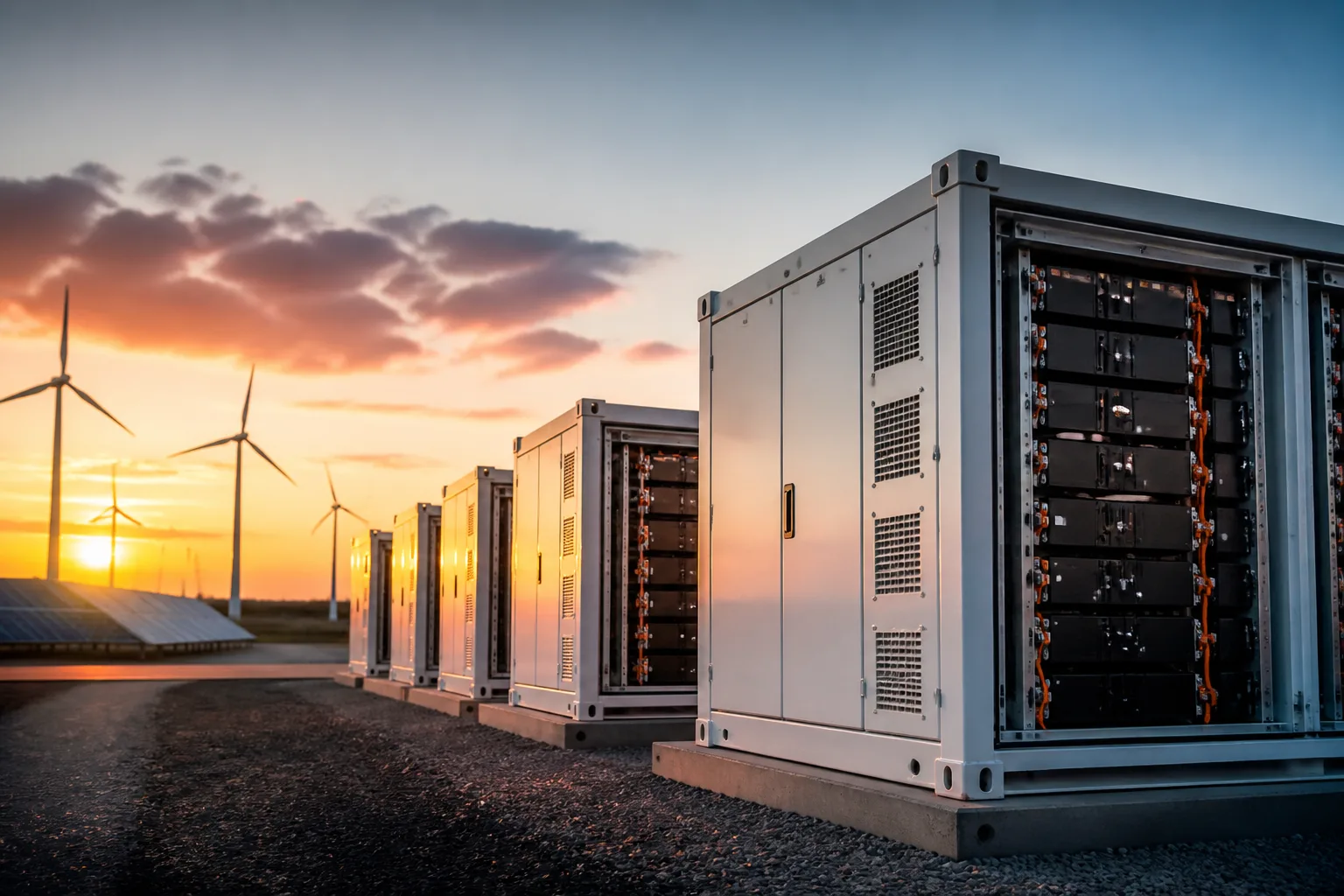
General Motors is backing Peak Energy, a Colorado-based startup that wants to make sodium-ion batteries a practical option for U.S. grid storage. According to the source, the companies have formed a partnership to ultimately deploy sodium-ion batteries at grid scale, with GM involved in codevelopment and manufacturing.
Peak Energy is positioning its technology as an alternative to low-cost lithium-iron phosphate, or LFP, which currently dominates grid storage. The company says its system is aimed at utility and stationary-storage use cases where long life, low operating costs, and safety matter more than the energy density requirements that drive EV battery design.
The startup announced plans in July to build a $71 million factory near Sacramento. The facility is described as 17,000 square meters in size and expected to produce 4 GWh of sodium-ion batteries annually. The source says that is enough to power 4 million homes, and that the factory is slated to come online in 2027.
GM has already been testing Peak Energy’s cells at its Wallace Battery Cell Innovation Center in suburban Detroit. The tests include 170 and 190 ampere-hour formats. According to Kurt Kelty, GM’s vice president of batteries and sustainability, the cells are holding up well under high-temperature testing, including up to 55 °C, with limited effect on lifespan.
Peak Energy says its GS1.1 storage system is designed around a passive cooling approach rather than the fluid cooling loops, fans, or pumps common in many battery systems. The company argues that the design lowers complexity and reduces parasitic power losses. Kelty says that eliminating active cooling can also make the system near-silent and reduce maintenance concerns.
The company’s batteries use sodium iron pyrophosphate, or NFPP, cathodes. The source notes that NFPP is increasingly becoming an industry standard and that CATL has also selected it for its core chemistry. Peak says this chemistry helps make its cells more compatible with existing battery manufacturing plants, including GM’s.
Why it matters
The story sits at the intersection of battery chemistry, grid infrastructure, and industrial supply chains. Sodium-ion batteries have long been discussed as a possible lower-cost, safer alternative to lithium-based systems, but several U.S. startups have recently struggled. Natron Energy and Bedrock Materials both shut down sodium-ion battery operations last year, a reminder that technical promise does not guarantee commercial success.
Peak Energy’s pitch is that grid storage has different priorities than electric vehicles. Instead of optimizing for the highest possible energy density, utilities want systems that last for many years, cycle repeatedly, and hold down total cost over time. Peak says its sodium-ion system could cost operators 20 percent less over its lifetime than LFP storage, even though its cells do not yet match LFP on energy density or current per-cell price.
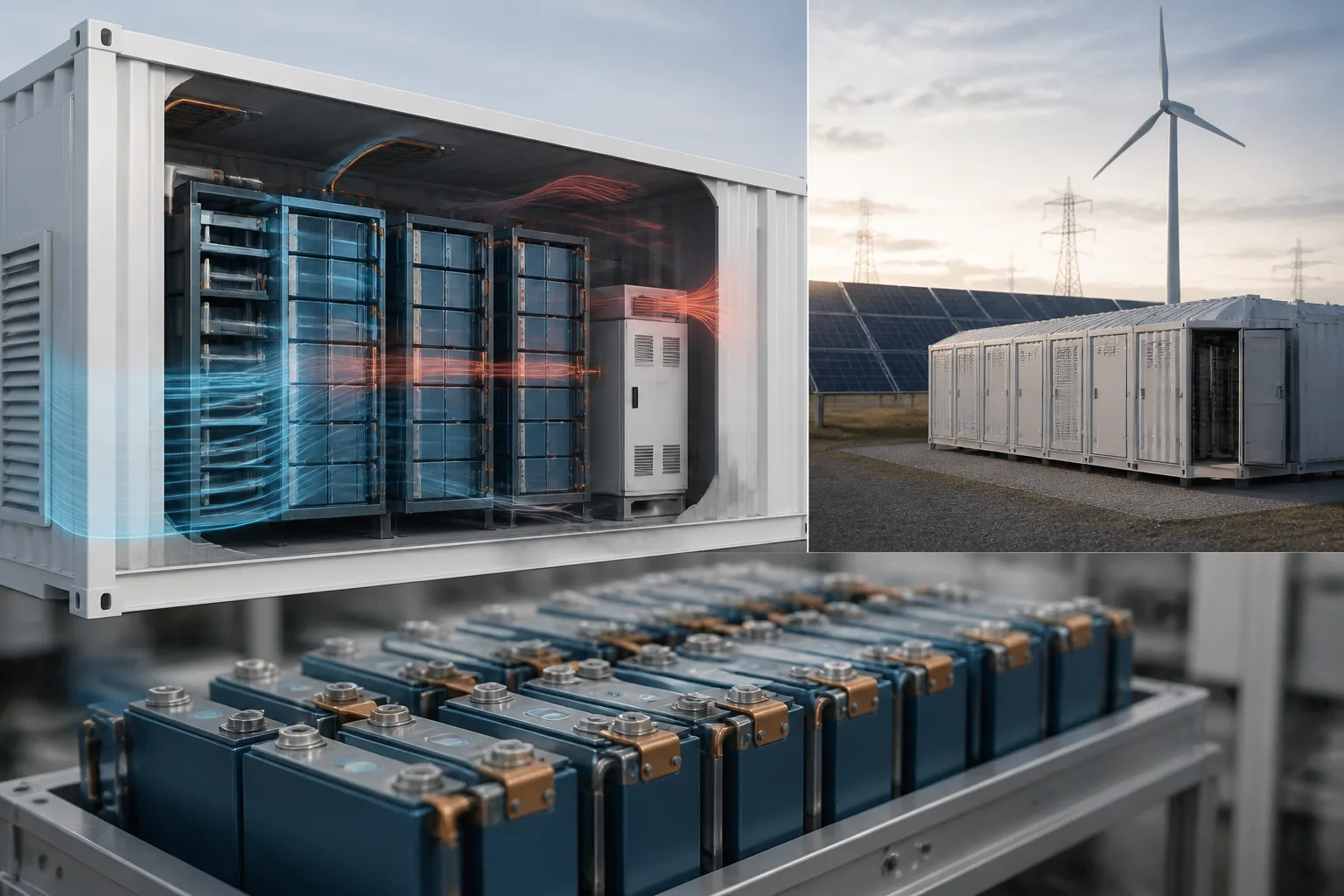
The company’s argument also depends on durability. Peak Energy says its GS1.1 system is designed to last 20 years, or roughly 20,000 cycles, while retaining 80 percent of its capacity. The source contrasts that with a basic durability benchmark for LFP at 70 percent capacity after 8,000 cycles. That is the core of Peak’s value proposition: lower energy density, but longer service life and less cooling infrastructure.
The supply-chain angle is equally important. Sodium is described as abundant, with major trona deposits in the Green River Basin in Wyoming. But the source also notes that processing remains dominated by China, and Peak currently buys commercial cells through contracts with Chinese suppliers. So while sodium’s raw material story is appealing, the manufacturing and processing ecosystem in the U.S. is still at an early stage.
That context helps explain why GM’s involvement matters. A major automaker brings manufacturing experience, testing infrastructure, and credibility at a time when battery startups need all three. It also reflects a broader industry pattern: automakers are looking for new energy-storage businesses to keep battery capacity utilized amid slower EV demand.
What to watch
Peak Energy still has to prove that its claims hold up in real deployments, not just in lab testing. The company says the batteries are showing 96 percent round-trip efficiency, which it claims is 2 to 3 percent better than LFP. That is encouraging, but the market will care more about performance over time, field reliability, and system-level economics.
The biggest near-term question is whether Peak can convert pilot projects and factory plans into a durable U.S. manufacturing base. The company says its California factory will come online in 2027, but it is still relying on Chinese suppliers for commercial cells today. That means the path from promising chemistry to domestic scale remains incomplete.
Several project milestones are also worth tracking. Peak Energy says it will join with RWE Americas on a pilot system near Milwaukee, which it says would be the first sodium-ion backup on the Midcontinent Independent System Operator grid. The company also plans to supply up to 4.75 GWh of batteries to Jupiter Power through 2030, including an initial 720 MWh deployment in Texas.
Finally, the broader sodium-ion market remains small. Benchmark Mineral Intelligence projects that less than 1 percent of newly deployed storage in the United States will be sodium ion this year, rising to less than 4 percent by 2030 and 5 percent globally. That suggests Peak Energy’s bet is early, and potentially risky, even if the technology has a plausible niche in long-duration grid storage.
For now, the source presents Peak Energy and GM as trying to do something practical rather than revolutionary: make sodium-ion batteries fit the economics and operating conditions of grid storage. Whether that becomes a meaningful business may depend less on chemistry hype than on manufacturing scale, supply-chain control, and whether the system’s long-term costs really come in below LFP.