
Key Takeaways
- Google says it will begin distributing rival app stores through Google Play next week, following the withdrawal of its settlement with Epic.
- The change comes out of court remedies tied to Google’s antitrust case, including rules meant to make alternative stores easier to access.
- If implemented broadly, the shift could make Android app distribution more competitive, at least in the U.S.
What happened
Google is preparing to let third-party app stores appear in Google Play, a notable reversal for a platform that has long been the default gateway for Android software. According to the source material, the company has confirmed that it will begin distributing rival app stores next week after the settlement with Epic Games was withdrawn.
This development is the latest turn in the long-running antitrust fight that began with Epic’s conflict over in-app payments. The dispute traces back to Epic’s decision in 2020 to add a direct purchase option to Fortnite on mobile, bypassing the payment systems used by Apple and Google. That move violated both companies’ platform rules and led to Fortnite being removed from the App Store and Google Play.
While Epic’s case against Apple had relatively little effect on Apple’s business model, the Google case produced remedies that are more directly aimed at changing how Android software is distributed. The source material says Judge James Donato’s remedies included lower fees, allowing Google Play apps to appear in other stores, and, most importantly for this story, putting alternative app stores inside Google Play itself.
The court’s reasoning, as described in the source, was that third-party stores needed a fair path to reach users. Google was found to have used its market position to discourage manufacturers from promoting or pre-installing non-Google stores, behavior that helped keep the Play Store dominant. In the court’s view, simply allowing sideloading would not be enough, because Google’s existing network effects would still make it hard for competitors to gain traction.
Why it matters
This is not just a procedural change in a legal case. It has implications for Android’s app economy, for developers deciding where to publish, and for Google’s role as the central distributor of Android software.
For developers, the biggest question is whether more storefronts will meaningfully expand options for reaching users. If third-party stores are available through Google Play, developers may have more ways to distribute apps without relying solely on Google’s store policies and fee structure. The source material specifically connects the remedies to lower fees and to a broader effort to reduce the advantage of Google Play’s default position.
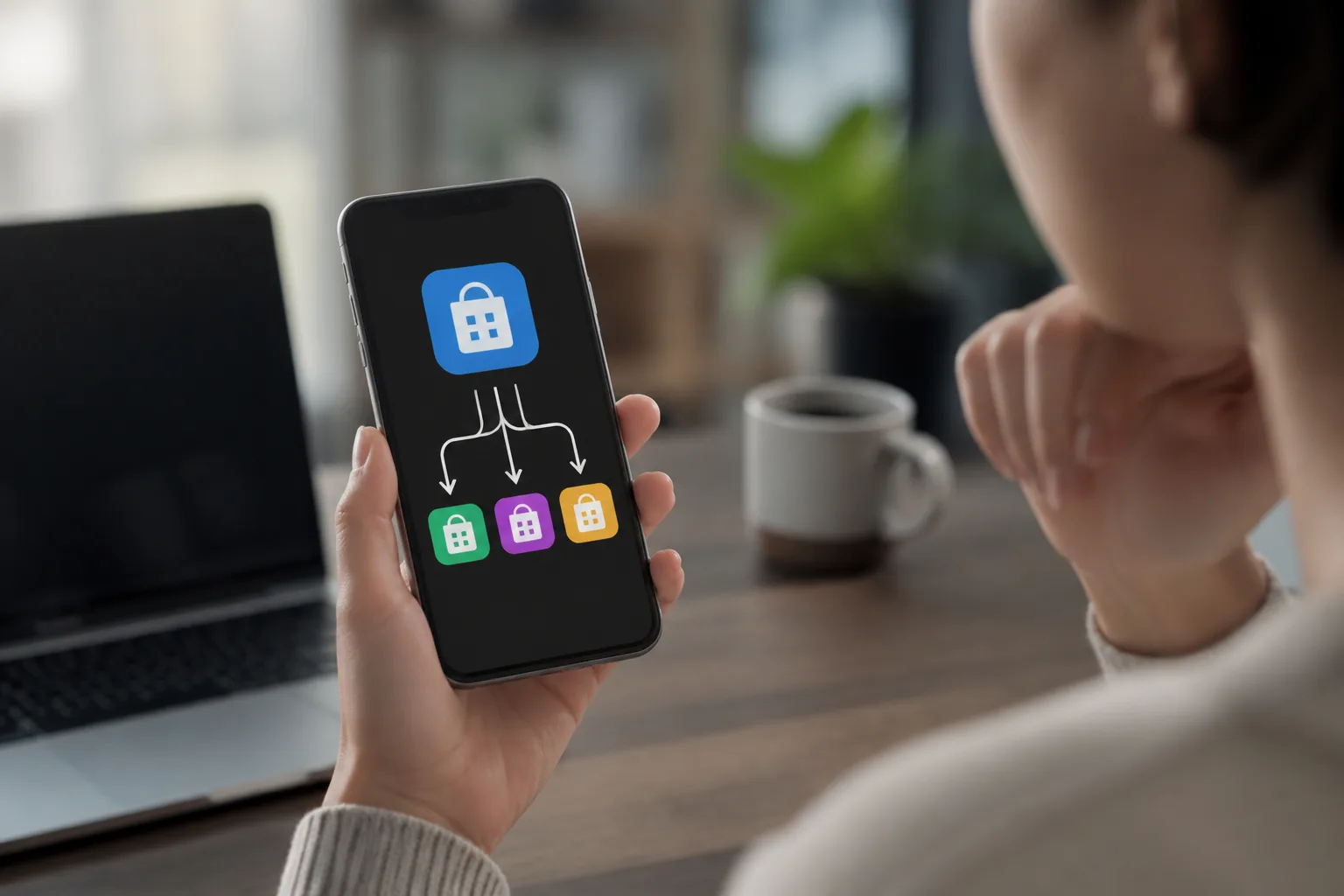
For users, the shift could make Android feel more open in practice, not just in theory. Android has long supported sideloading and multiple app stores, but the source suggests that those options were not enough to overcome Google Play’s dominance. If rival stores are surfaced inside Google Play itself, they may become more visible and easier to try.
For Google, the stakes are more direct. The source says competing platforms could take a bite out of Google’s Android revenue stream. That does not necessarily mean a sudden collapse in Play Store usage, but it does indicate that the company’s control over Android distribution is being challenged in a more structural way than before.
There is also a broader platform-policy implication here. The case highlights the difference between an ecosystem that is open in principle and one that is open in practice. The court apparently concluded that visibility inside Google Play was necessary because a market dominated by one store could not be corrected through side channels alone.
What to watch
The first thing to watch is rollout. The source says Google will begin distributing rival app stores next week, but the details of how that works will matter just as much as the announcement itself. It is not yet clear from the provided material how prominent those stores will be, how they will be presented in Play, or what rules will govern their placement.
The second thing to watch is geography. The supplied context frames this as a U.S.-focused change tied to court remedies in the Google-Epic case. That means readers should not assume the same rules apply everywhere Android is used.
The third thing to watch is how developers respond. If competing stores become easier to discover through Google Play, some app makers may test whether alternative distribution channels offer better economics or more flexibility. But the source material does not say how quickly developers will move, or whether users will follow.
Finally, it will be important to see whether this becomes a meaningful opening in Android distribution or just a narrow compliance step. The court’s logic suggests the change is meant to be substantial, but the real test will be whether rival stores can actually gain visibility and users in a market long shaped by Google Play’s default status.