Key Takeaways
- Researchers used suction-cup tags to record sound and 3-D movement data from sperm whales off the Norwegian coast.
- The study found that resting whales release gas bubbles to help regulate buoyancy while sleeping vertically near the surface.
- The work combines field instrumentation with simulation to explain a long-observed but poorly understood behavior.
What happened
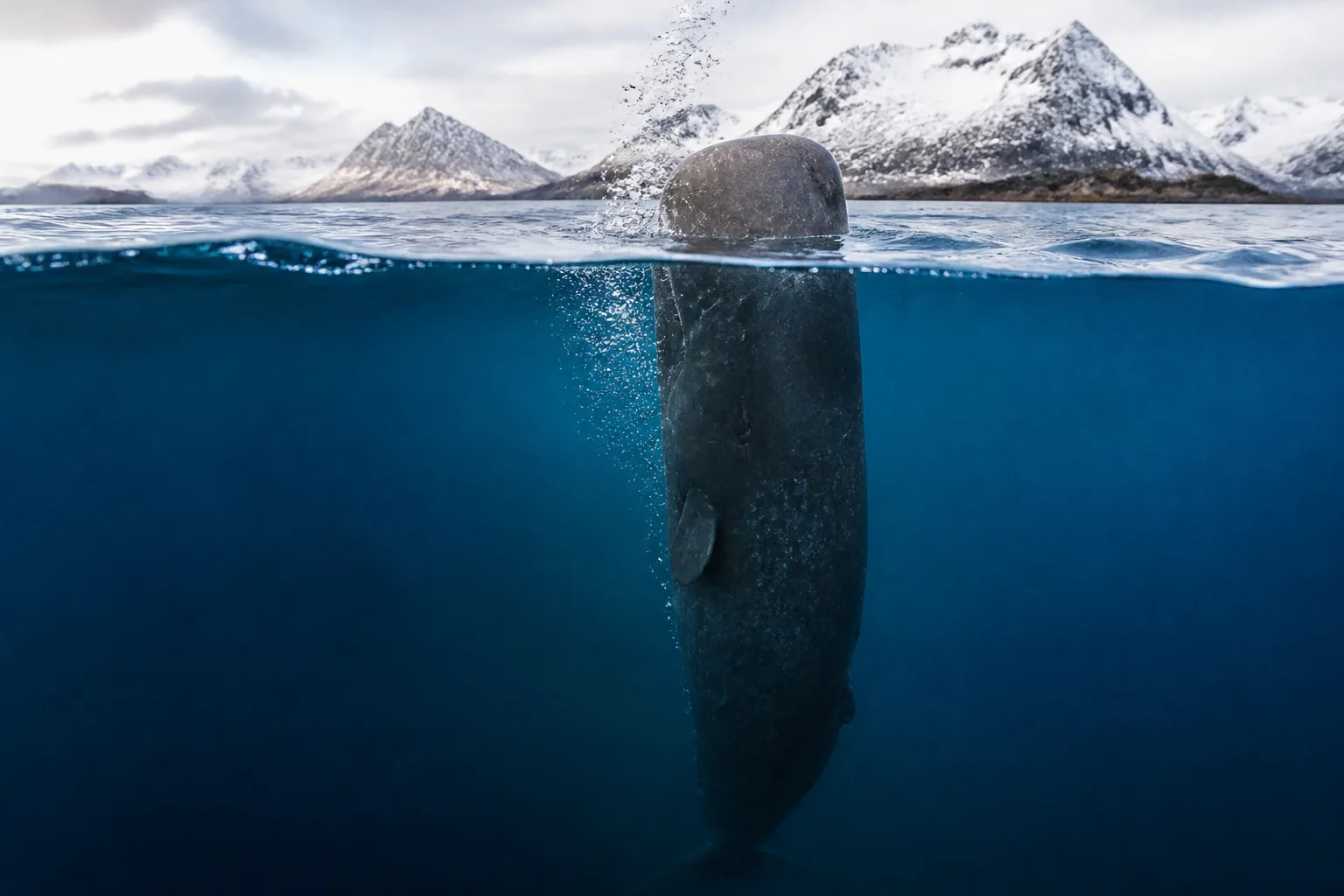
Researchers from the University of St Andrews and Université de Neuchâtel say they have identified the mechanism that helps sperm whales rest in a vertical position just below the ocean surface.
According to the study, sperm whales are the only whales known to rest vertically. Scientists have long thought the posture may help them sleep without needing to dive deeper, while also buffering them from surface wave action. What had remained unclear was how the animals stayed in place instead of slowly drifting upward.
To investigate, the team placed small suction-cup tags on sperm whales off the Norwegian coast. Those tags recorded sound and three-dimensional movement. The researchers say they captured clear bubble sounds while the whales were resting. They then used the movement data to build a simulation that accounted for tissue density, drag through the water, and gas volumes in the whales’ bodies.
The study, published in the Journal of Experimental Biology on 23 July, concludes that the whales release bubbles to reduce positive buoyancy and remain submerged while resting. The researchers also report that sperm whales begin resting dives with less diving gas volume than they do for deep foraging dives.
Why it matters
The core scientific advance here is not a consumer product or software system, but a measurement-and-modeling workflow that helped resolve a biological mystery. The study shows how sensor tags can capture behavior that is difficult to observe directly, and how simulation can turn those recordings into a testable explanation.
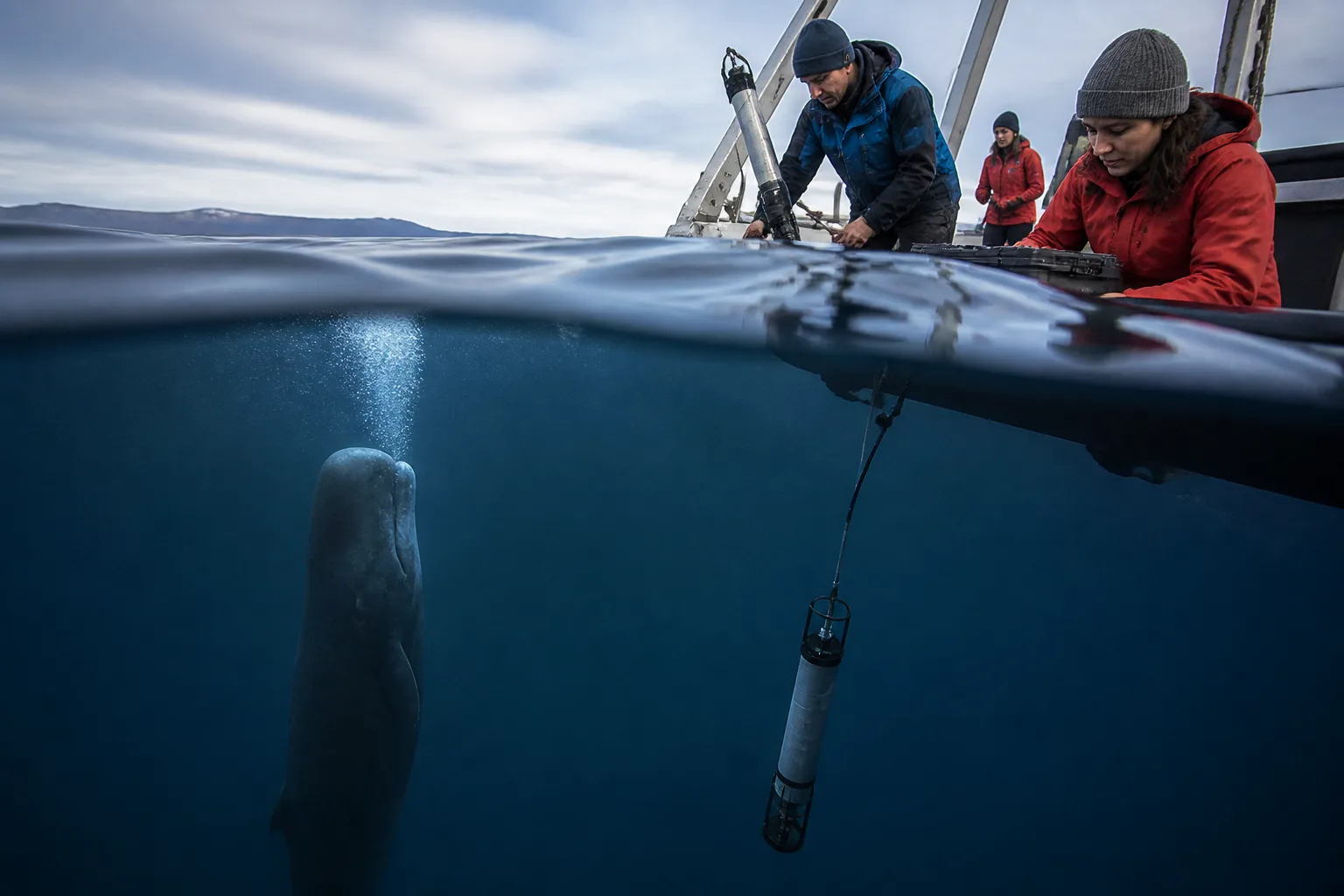
From a technology perspective, the research highlights the value of lightweight animal-borne instrumentation. Suction-cup tags that record acoustics and motion made it possible to gather data without invasive procedures, while the simulation linked those observations to buoyancy dynamics. Together, those methods let the researchers analyze a sleep behavior that would otherwise be hidden beneath the ocean surface.
The paper also points to a broader scientific question. The authors suggest bubble release may be connected to off-gassing of excess carbon dioxide or nitrogen from tissues into the lungs. If so, the behavior could have implications for understanding metabolic gas exchange, though the source does not go further than that speculation.
What to watch
The immediate next step is whether other researchers can reproduce or extend these findings in different whale populations or contexts. The source does not indicate follow-up studies, but the method could be applied to other hard-to-observe marine behaviors.
It will also be worth watching whether future work can determine how much of the bubble release is driven by buoyancy control versus gas exchange. The current study supports the buoyancy explanation, but the authors’ broader hypothesis about metabolic gas handling remains tentative.
Finally, the instrumentation itself may be of interest to marine researchers. Tags that combine sound and motion tracking, paired with simulation, are a useful example of how modern field tools can turn an obscure animal behavior into a measurable system.