Key Takeaways
- Scientists analyzed nickel isotopes in K-Pg boundary samples from Europe to trace the dinosaur-killing impactor’s composition.
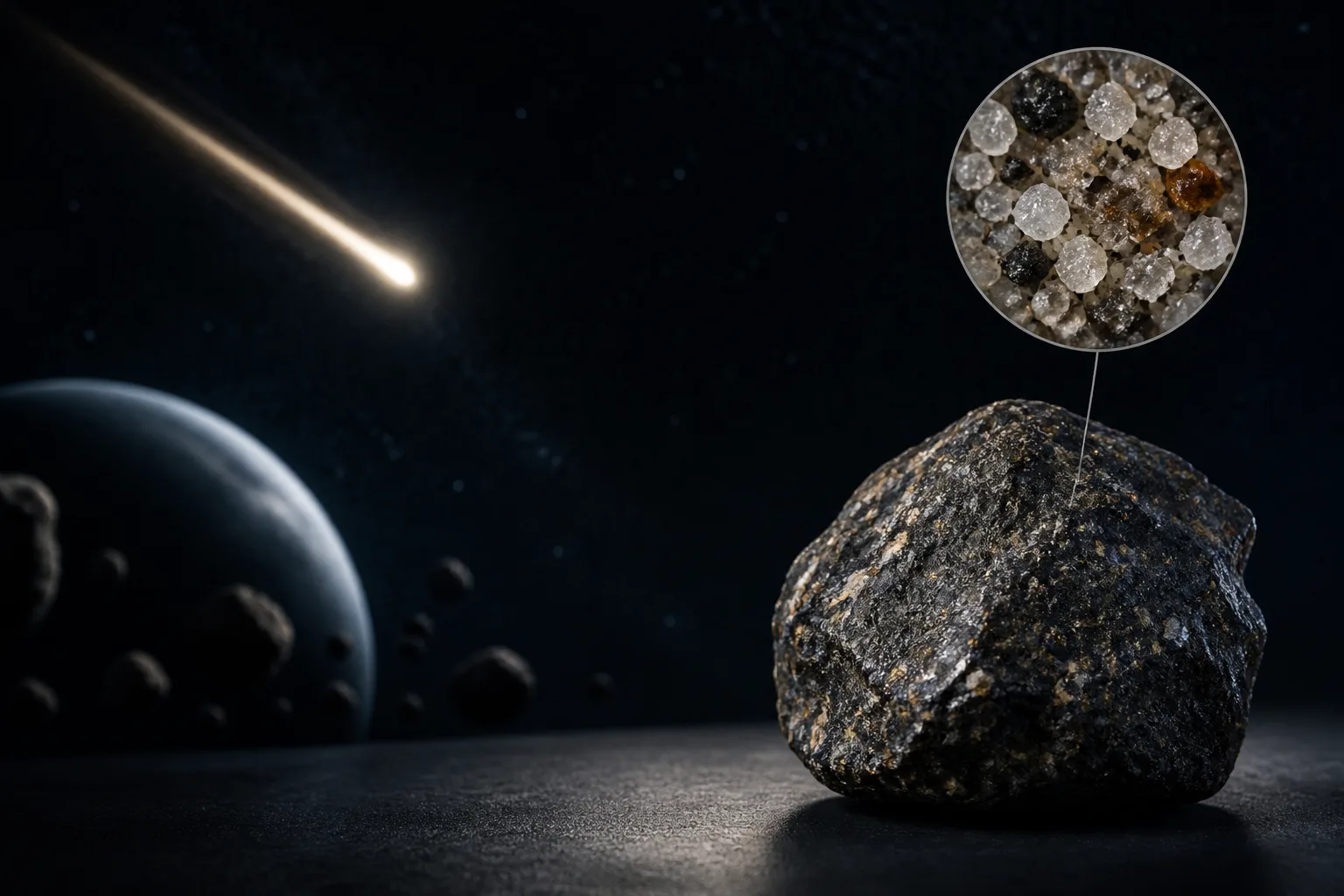
- The evidence points to a rare Carbonaceous Ornans (CO) meteorite, a tiny subgroup within already uncommon carbonaceous chondrites.
- The finding suggests the impactor’s makeup may have made sulfur less important than previously thought in the extinction aftermath.
What happened
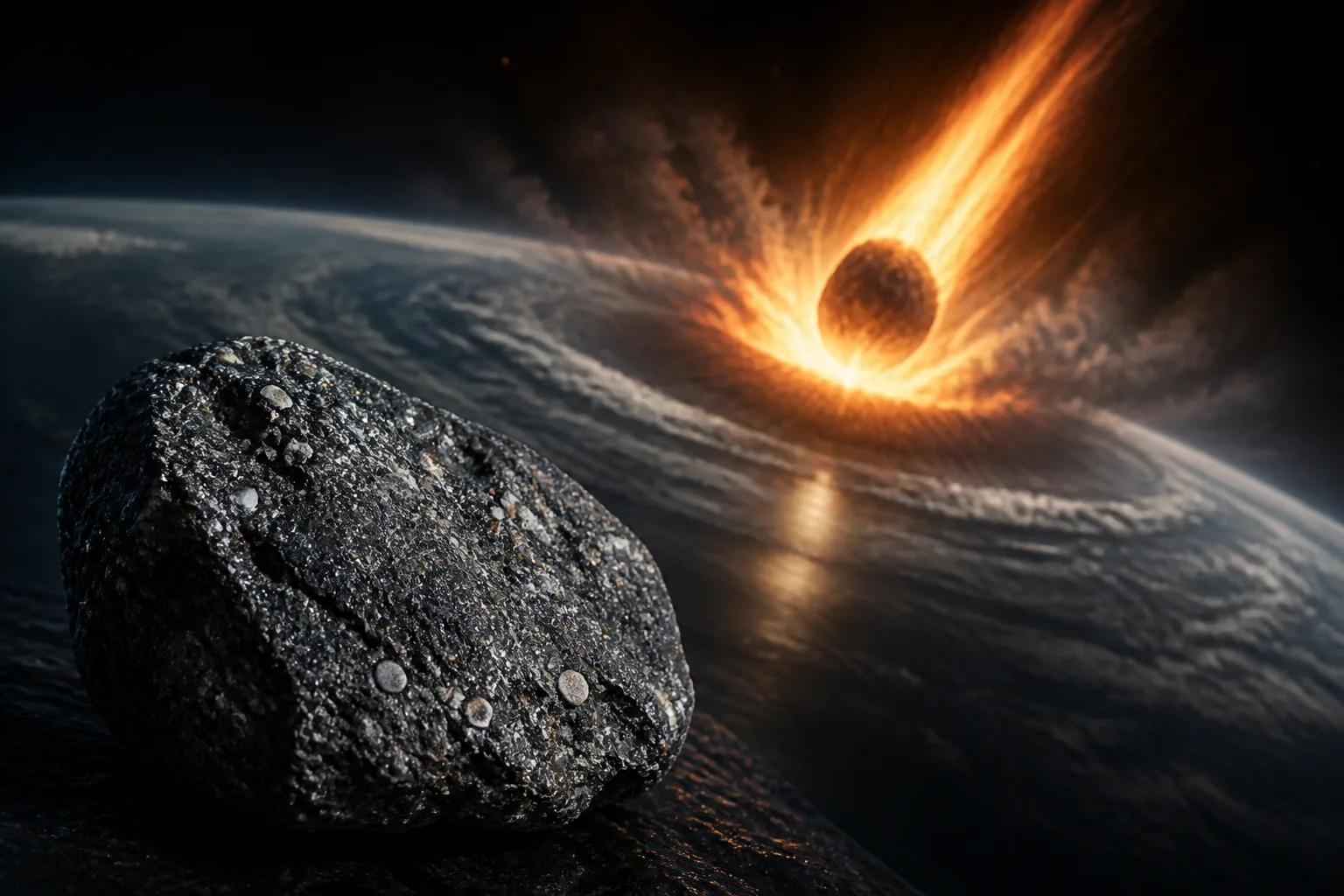
About 66 million years ago, a large asteroid struck what is now the Yucatán Peninsula in Mexico. The impact is linked to global wildfires, towering tsunamis, ocean acidification, volcanic eruptions, and earthquakes, along with a debris cloud that reduced sunlight and cooled the planet. That environmental shock helped collapse food chains and wipe out the dinosaurs.
The new study discussed in Science Advances adds a more specific detail to the story: the asteroid itself appears to have been unusually rare. Researchers say the impactor was not just a carbonaceous chondrite, but likely a Carbonaceous Ornans, or CO, meteorite.
That matters because carbonaceous chondrites are already uncommon. The source material says they account for less than five percent of meteorites that fall to Earth, and CO meteorites are only a small subgroup within that category.
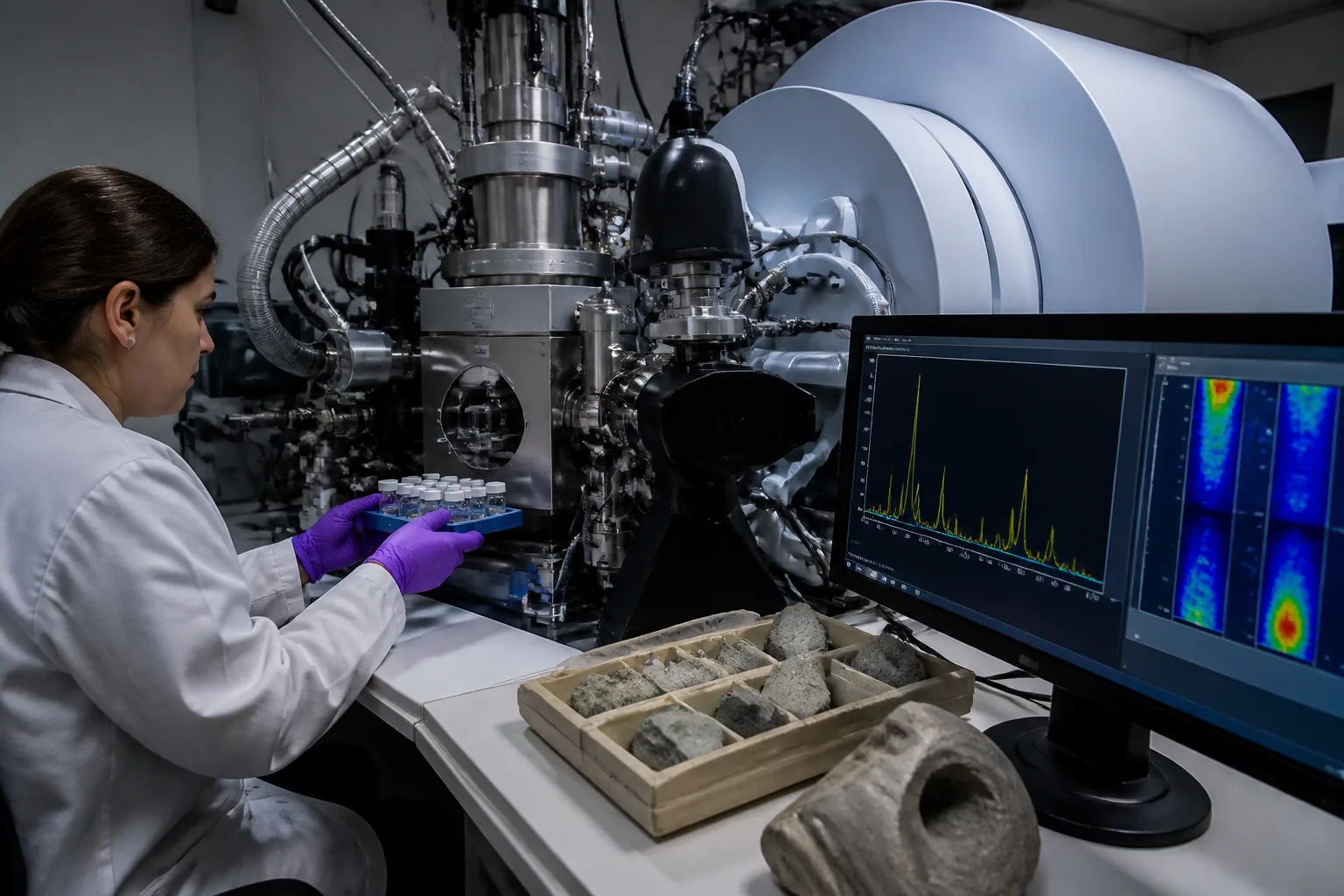
To work out the rock’s identity, the researchers examined samples from the Cretaceous-Paleogene, or K-Pg, boundary in five locations: one in Denmark, one in Spain, and three in Italy. They compared those samples with 11 carbonaceous chondrite meteorites from different subgroups.
The team focused on nickel. According to the source material, nickel is present at much higher concentrations in primitive meteorites than in Earth’s crust, and different meteorite types carry different nickel isotope signatures. After isolating and purifying the nickel, the researchers analyzed its isotopes and compared the results across samples.
The pattern pointed most strongly to the CO group. The researchers also said their analysis excludes most other likely impactor compositions, including carbonaceous Mighei chondrites, which had been favored in some prior work.
Why it matters
The composition of the impactor changes how scientists think about the extinction sequence. Sulfur has often been treated as a key ingredient in the catastrophe, because sulfur vaporized by the impact would have blocked sunlight and could later have fallen as acid rain, affecting soils and seas for a long time.
But if the asteroid was a CO meteorite, that explanation may need some nuance. The source material says CO meteorites contain less volatile material than other carbonaceous classes, including less carbon, zinc, water, and especially sulfur. That does not overturn the broad picture of the extinction event, but it makes it less likely that sulfur carried by the asteroid itself was the main driver.
Instead, the study strengthens the idea that fine debris thrown into the atmosphere played the primary role in darkening the sky and destabilizing ecosystems.
There is also a broader implication in the story’s framing: chance may have played a larger role than just the impact location or angle. The source material notes that if the asteroid had struck almost anywhere else, or at a different angle, the damage likely would not have been as severe. It also says the impact happened in spring in the Northern Hemisphere, which would have reduced the ability of species there to recover.
The new identification of a rare outer-Solar-System-type object adds yet another unlucky twist to an already catastrophic event.
What to watch
The main thing to watch is how this analysis is received and whether later studies refine the impactor’s classification further. The source material makes clear that this work narrows the field strongly toward the CO group, but it is still part of a larger scientific effort to reconstruct the event from geochemical traces.
Future work may continue to test how much of the extinction aftermath came from atmospheric dust, how much from sulfur and other volatiles, and how those factors interacted with the impact site, angle, and season.
For now, the takeaway is straightforward: the dinosaurs did not just face a giant asteroid. They appear to have been hit by a remarkably rare one, at a remarkably bad time, in a remarkably bad place.