Key Takeaways
- Larry Ellison once had to work out payment arrangements with an electricity company so his computer could stay on.
- Oracle’s name came from a CIA project code Ellison encountered while working at Ampex.
- In 2012, Ellison bought about 87,000 acres of Lānaʻi for $300 million and later said he wanted to help shape it into a renewable-energy community.
What happened
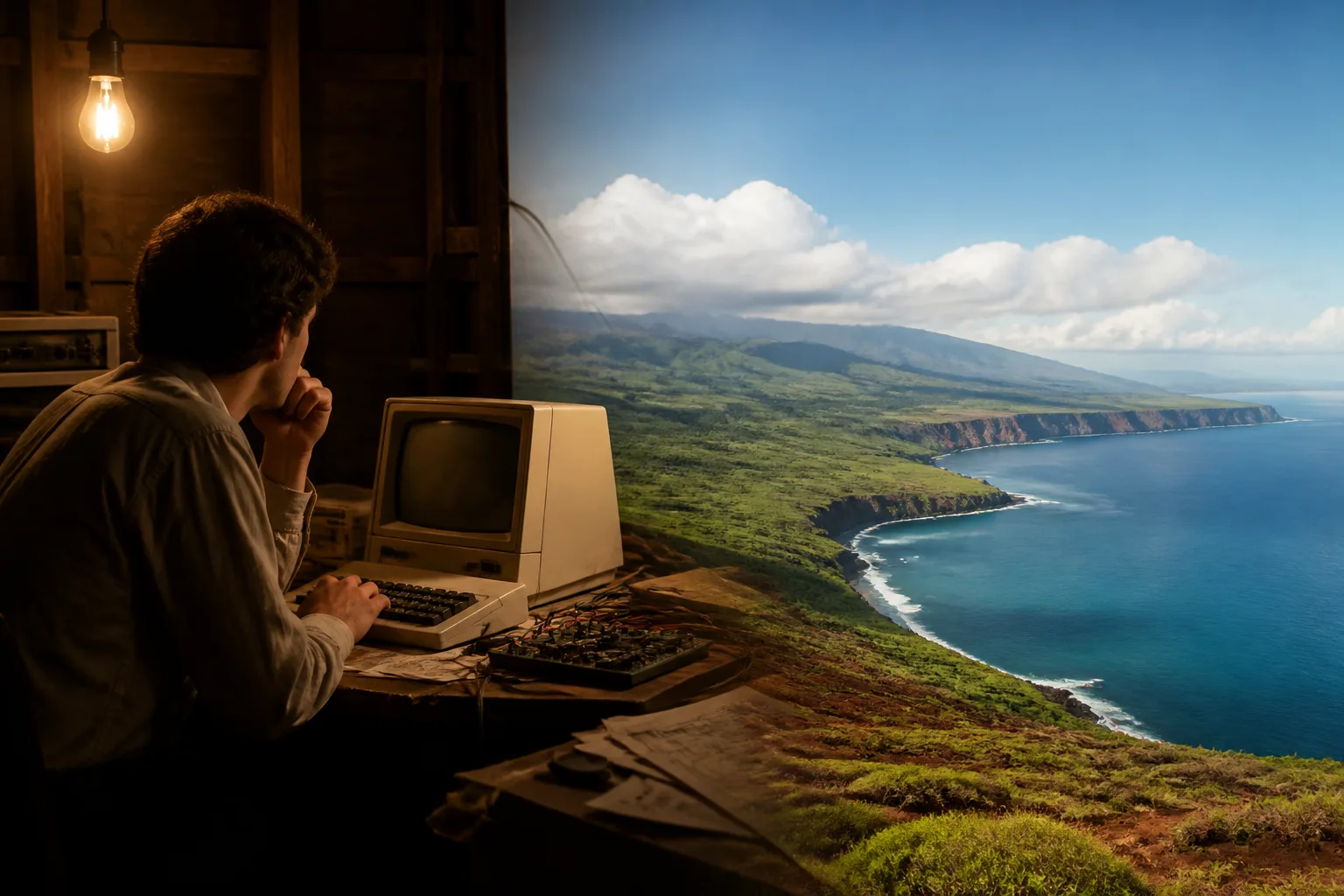
Larry Ellison’s early path to building Oracle was far from the polished image often associated with major tech founders. According to the source material, in the 1970s he was working from a modest garage while trying to develop software products, and money was so tight that he struggled to pay the electricity bills needed to power his computer.
The report says Ellison arranged with the utility company to pay only 10% of the bill upfront, buying time before the power was disconnected. He later described electricity as essential because his computer held his early software projects.
The story also says Ellison faced repeated investor rejection while building those early products. That resistance did not stop the business from taking shape. Ellison later co-founded Oracle after working at Ampex, where he had worked on a confidential database project for the CIA. The classified project used the code name “Oracle,” and Ellison adopted that name for the new company.
From there, Oracle became one of the world’s largest software companies, with the source describing it as a global leader in enterprise software, databases and cloud computing.
The article then jumps forward decades to one of Ellison’s most eye-catching purchases: in 2012, he bought around 87,000 acres of Lānaʻi for $300 million, which the source says amounted to nearly 98% of the Hawaiian island. The island spans about 141 square miles, or roughly three times the size of San Francisco, according to the report.
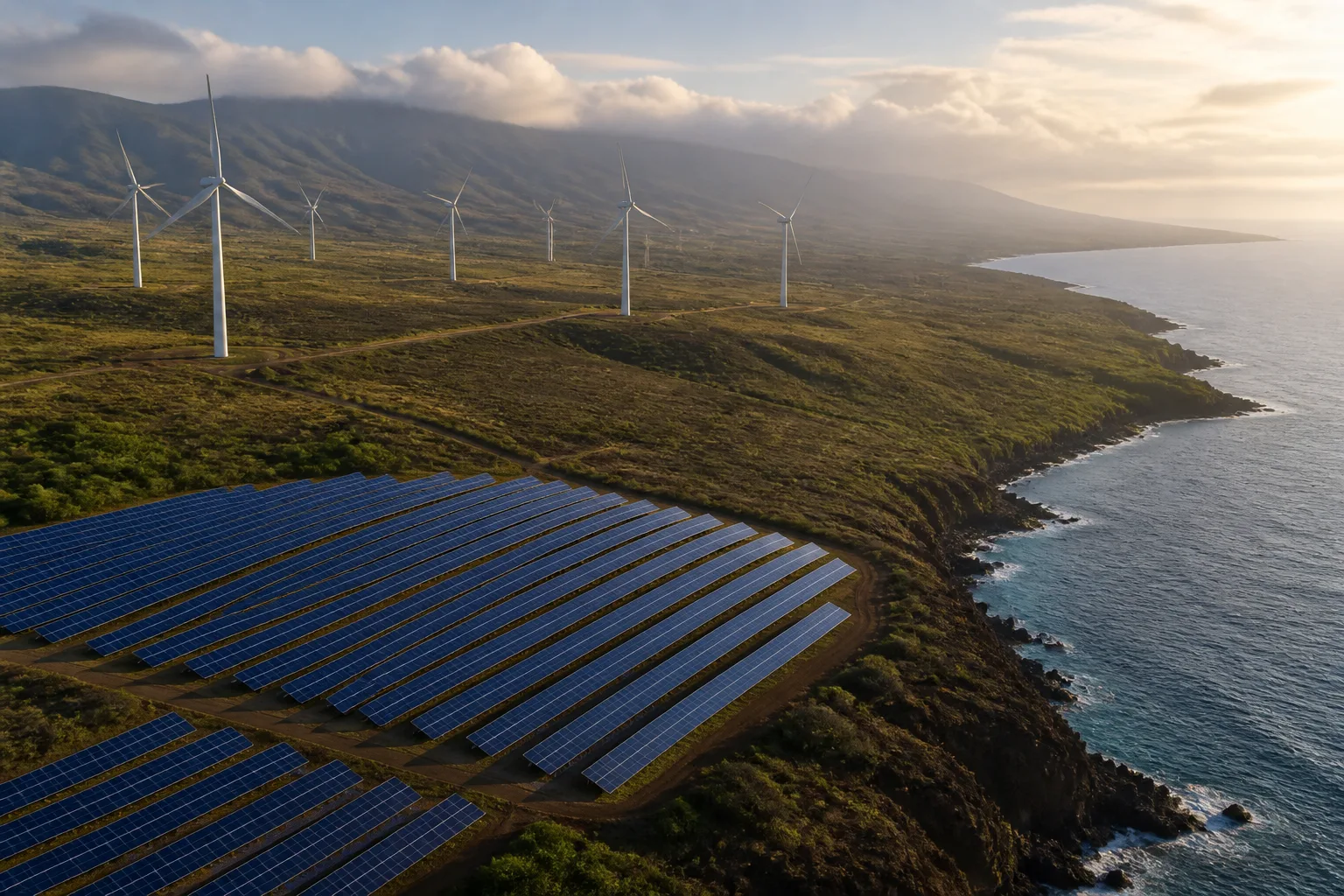
The ownership stake also gave Ellison control over much of the island’s infrastructure, including the only petrol station, the main grocery store, the local newspaper and large sections of residential and commercial property. The source says he moved to Lānaʻi full-time in 2020 and has focused on turning it into a luxury wellness destination powered by renewable energy, with a long-term goal of building a 100% green community.
Why it matters
The contrast in this story is what makes it notable from a technology perspective. Oracle is now a major software and cloud company, but the source emphasizes how fragile the foundation once was: a founder trying to keep the electricity on so a computer could keep running.
That detail matters because it highlights how closely early software companies depended on basic infrastructure. For a founder working in a garage, power was not just a utility bill; it was the difference between continuing development and stopping altogether.
The naming story also reflects the era in which Oracle emerged. The source links the company’s brand to a CIA database project code name, underscoring how technical and institutional contexts shaped early enterprise software.
Ellison’s later purchase of Lānaʻi is less about software operations and more about the scale of wealth that can come from them. Still, the article ties the island to his broader technology story through a renewable-energy plan and a focus on building a green community. That makes the island purchase relevant here not as celebrity trivia, but as a sign of how far the proceeds from foundational software businesses can reach.
What to watch
The source says Oracle continues to benefit from demand for cloud infrastructure and AI services, and that analysts expect strong quarterly results while its order backlog keeps growing. That suggests the company’s business remains tied to two major technology shifts: cloud computing and artificial intelligence.
For Ellison personally, the article frames his wealth as closely linked to Oracle’s stock price because he owns about 41% of the company. That means market swings can quickly affect his net worth.
On Lānaʻi, the key question is whether Ellison’s renewable-energy ambitions will move from vision to durable infrastructure. The source says he wants a 100% green community, but it does not provide a timeline or technical specifics. For now, the island stands as one of the more unusual examples of how a software fortune can reshape physical places well beyond the tech sector.