Key Takeaways
- New York City Mayor Zohran Mamdani’s housing team is calling for disclosure when rental listings use AI or other digital tools to alter images.
- The proposal is part of a broader “Rental Ripoff Report” aimed at deceptive landlord practices and tenant protections.
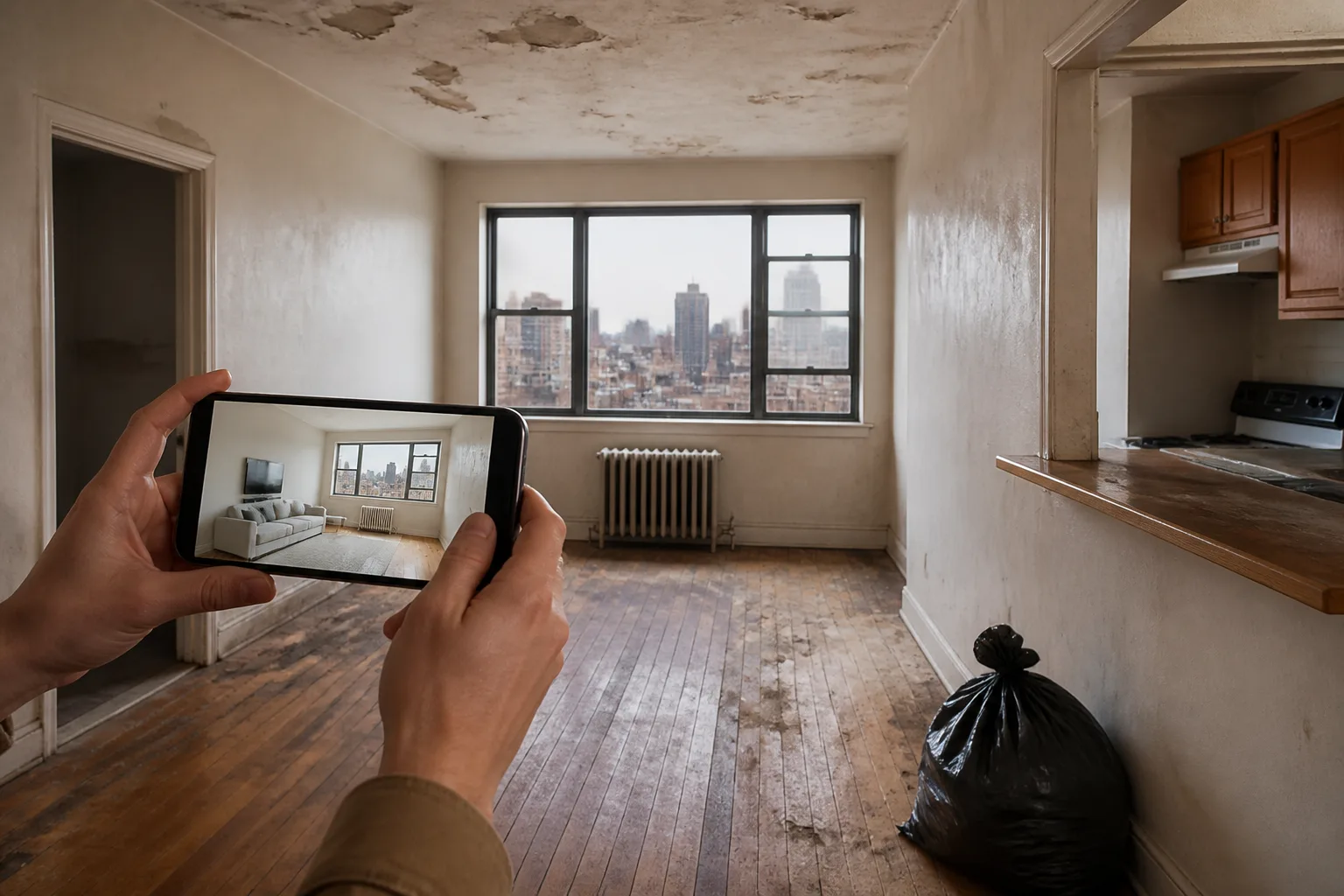
- The issue reflects a wider problem: AI-edited property photos can make rentals look better than they really are, which can mislead tenants.
What happened
New York City Mayor Zohran Mamdani is putting AI-generated and AI-edited imagery in rental advertising under scrutiny. According to a report released by his administration, landlords and realtors should be required to disclose when they have altered rental listings using artificial intelligence or other digital tools, including changes made to photos.
The proposal appears in a document the administration calls the “Rental Ripoff Report.” In addition to the AI disclosure idea, the report also includes tenant-focused measures such as recognizing tenant unions and expanding tenants’ bargaining rights. The broader framing suggests that the city is treating misleading rental ads as part of a larger set of housing practices that can leave renters with incomplete or inaccurate information.
Mamdani said the administration heard directly from New Yorkers during Rental Ripoff Hearings held across the five boroughs. In the quoted remarks included with the report, he said residents described mold that was never treated, pests that were never addressed, and fees that were never explained. He argued that the report turns those accounts into “concrete action” and explicitly ties disclosure of AI-altered listings to accountability for landlords.
The source material does not describe a finalized law or enforcement rule. Instead, it presents the disclosure requirement as a recommendation from the administration, alongside other housing-policy changes. That distinction matters: the article points to a policy push, not a completed regulatory outcome.
Why it matters
This is a technology story because it shows how generative AI and editing tools are moving beyond creative work and into everyday consumer-facing information. Rental listings are not just marketing material; for many people, they shape major life decisions. If an apartment photo has been cleaned up, altered, or generated to hide defects, the result can be more than cosmetic. It can affect whether someone signs a lease, relocates for work, or pays more than a place is worth.
The source emphasizes that misleading AI images in real estate are not a New York-only issue. Even if some fake or heavily edited listing photos can be amusing in isolation, the practical risk is straightforward: tenants may make decisions based on visuals that do not match reality. That problem becomes more serious when someone is renting remotely and cannot inspect a property in person.
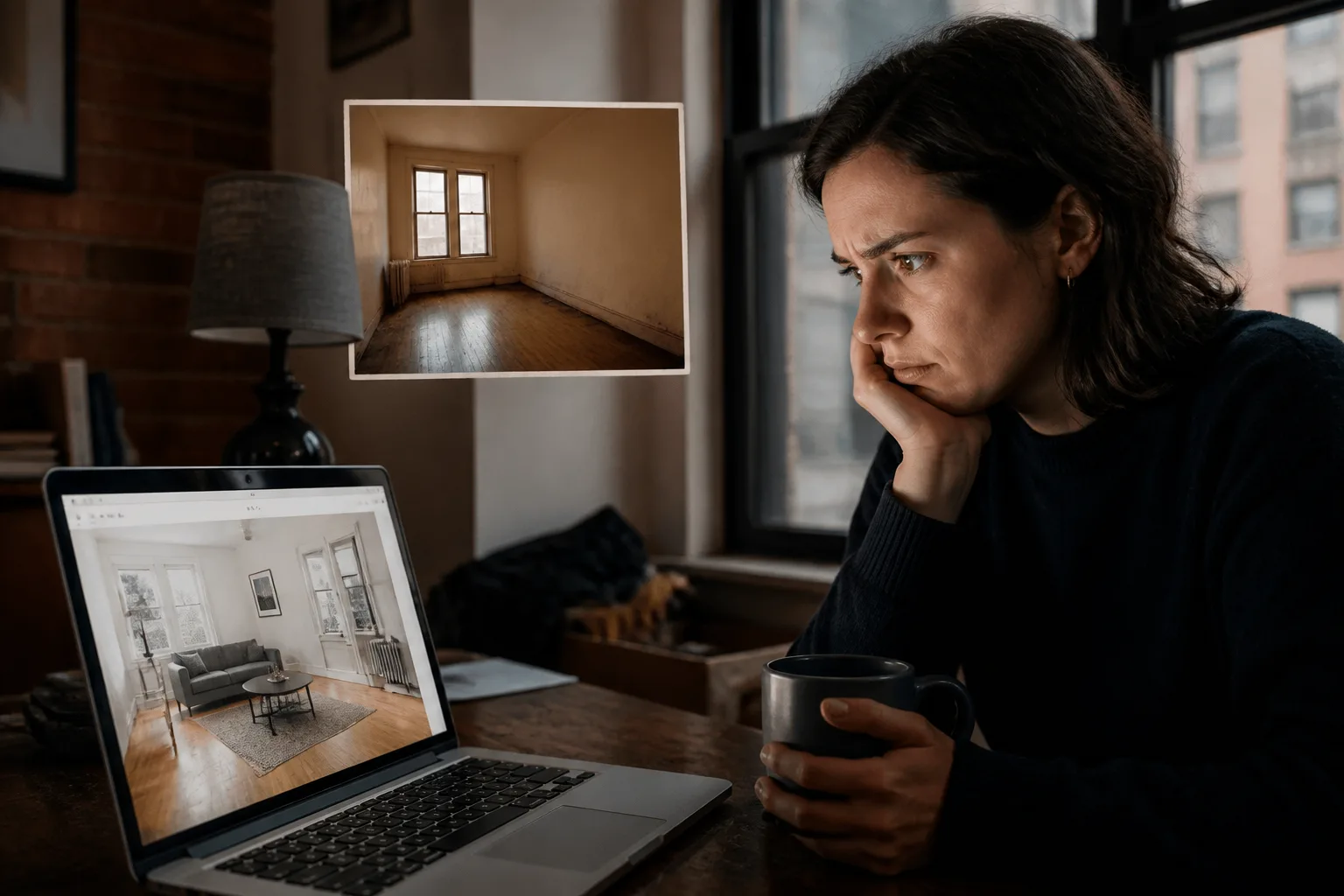
The proposed disclosure rule also highlights a broader policy question around AI transparency. In many consumer contexts, the technology itself is not the issue; the issue is whether users are told when it has been applied. Here, the city’s approach is not to ban image editing outright, but to require disclosure when digital tools have materially altered a listing. That is a familiar regulatory pattern in the AI era: allow the tools, but make their use visible when it could influence trust or decision-making.
For landlords and realtors, the practical implication is that listing workflows may need to change. Any image adjustments made with AI could become something that has to be tracked and disclosed. The source does not spell out what counts as an alteration, how detailed the disclosure would need to be, or what penalties might apply. Those details would be important if the proposal moves forward.
The reporting also shows how local government can intersect with AI governance in unexpected places. Rather than focusing on frontier models, this policy example deals with a familiar consumer problem: photos that overpromise. That may make it easier for the public to understand than abstract debates about AI safety, but it is still part of the same larger conversation about trust, transparency, and synthetic media.
What to watch
The most immediate question is whether the disclosure recommendation becomes an actual city policy or remains part of a broader housing agenda. The source only confirms that Mamdani’s administration released the report and is pushing the idea; it does not say whether the measure has been adopted.
It will also be important to watch how the city defines AI-altered imagery. The term could cover everything from subtle retouching to fully generated scenes, and the line between ordinary photo editing and AI modification is not always clear.
Another point to follow is whether other cities or housing regulators take notice. If New York formalizes a disclosure requirement, it could become a model for other markets where rental scams and misleading photos are a recurring issue.
Finally, the story sits within a larger set of technology and consumer-protection actions from Mamdani’s office, including the mentioned “click-to-cancel” effort aimed at companies like Adobe. That suggests the administration is building a broader policy identity around digital transparency and consumer control, not just housing-specific reform.
Source context
The source material is a short news report, so some implementation details are not yet available. It clearly supports the existence of the housing report, the call for disclosure of AI-altered rental listings, and the administration’s stated concern about deceptive landlord practices. It does not provide legislative text, enforcement mechanics, or a timeline for adoption.