Key Takeaways
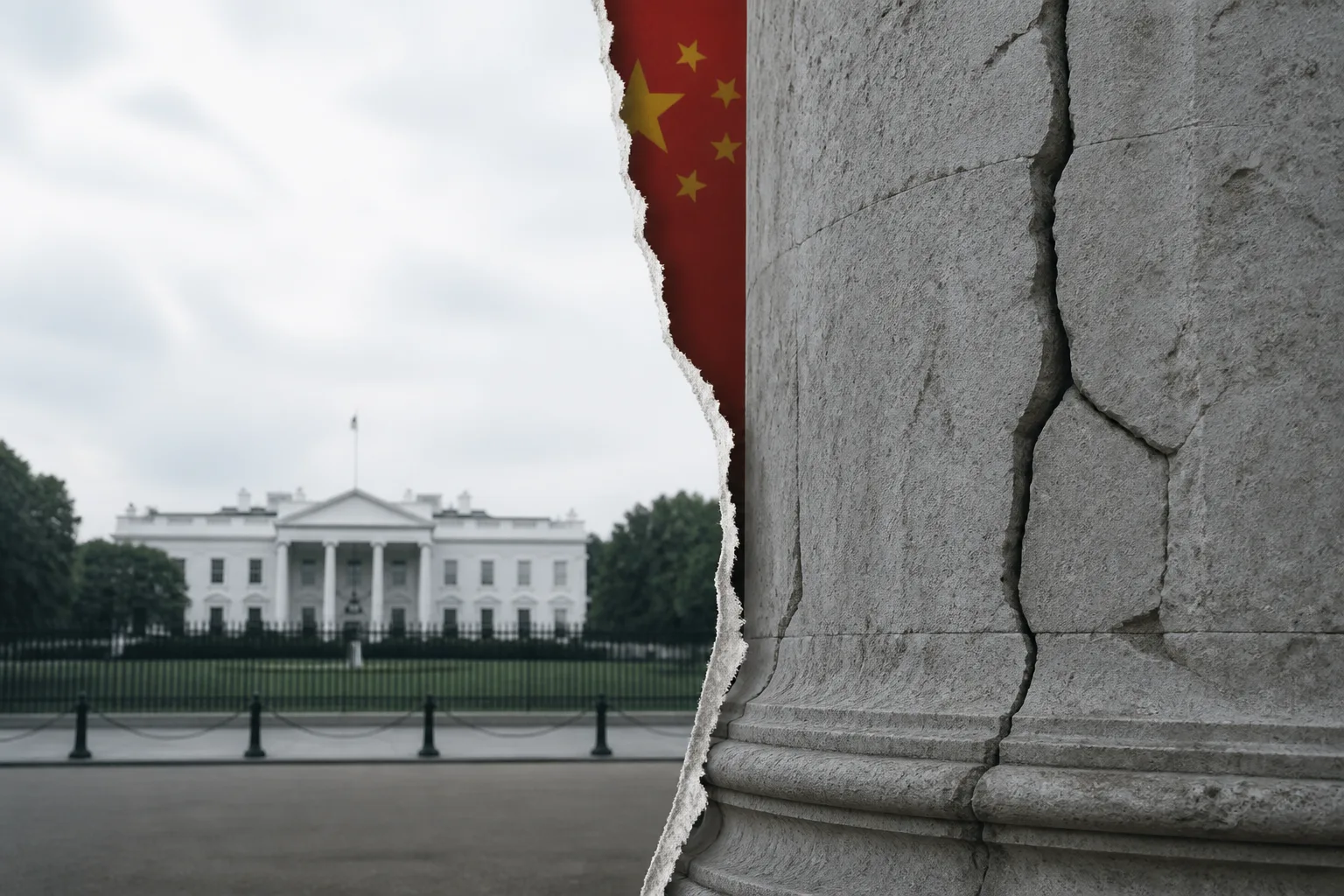
- The Trump administration is split over how to respond to the rapid rise of China’s leading AI models.
- White House officials are weighing tougher limits on Chinese AI, while the Commerce Department has viewed some of those ideas as difficult to enforce.
- The debate has sharpened as Chinese models and distillation practices have become a bigger concern for US policymakers.
What happened
According to multiple people familiar with the deliberations, the Trump administration is divided over how to respond to China’s growing AI capabilities. One side inside the White House has pushed for stricter controls on Chinese AI systems that could soon rival the most powerful US models. The Commerce Department, by contrast, has reportedly seen those restrictions as impractical.
The issue has become more urgent after Moonshot AI released its Kimi K3 model, which WIRED says rivals leading models from Anthropic and OpenAI. That release has added to a broader policy debate over whether China’s AI progress should trigger a stronger US response.
Senior White House officials have also discussed possible steps to stop Chinese AI labs from improving their models by training on US models, a practice known as distillation. The administration is expected to take some kind of presidential action, though one person familiar with the matter said it is not currently expected to be an executive order.
The reporting also says the White House is especially focused on alleged distillation activity involving Anthropic. Last month, Anthropic said the Chinese company Alibaba carried out what it called the “largest known distillation attack” against it to date. Separately, the White House announced on Wednesday that Moonshot had developed Kimi K3 by distilling Anthropic’s Claude Fable 5 model, and Treasury Secretary Scott Bessent suggested that covert distillation could lead to sanctions.
Why it matters
This dispute shows that Chinese AI is no longer just a competition issue; it is becoming a policy test for how the US wants to balance openness, enforcement, and national security.
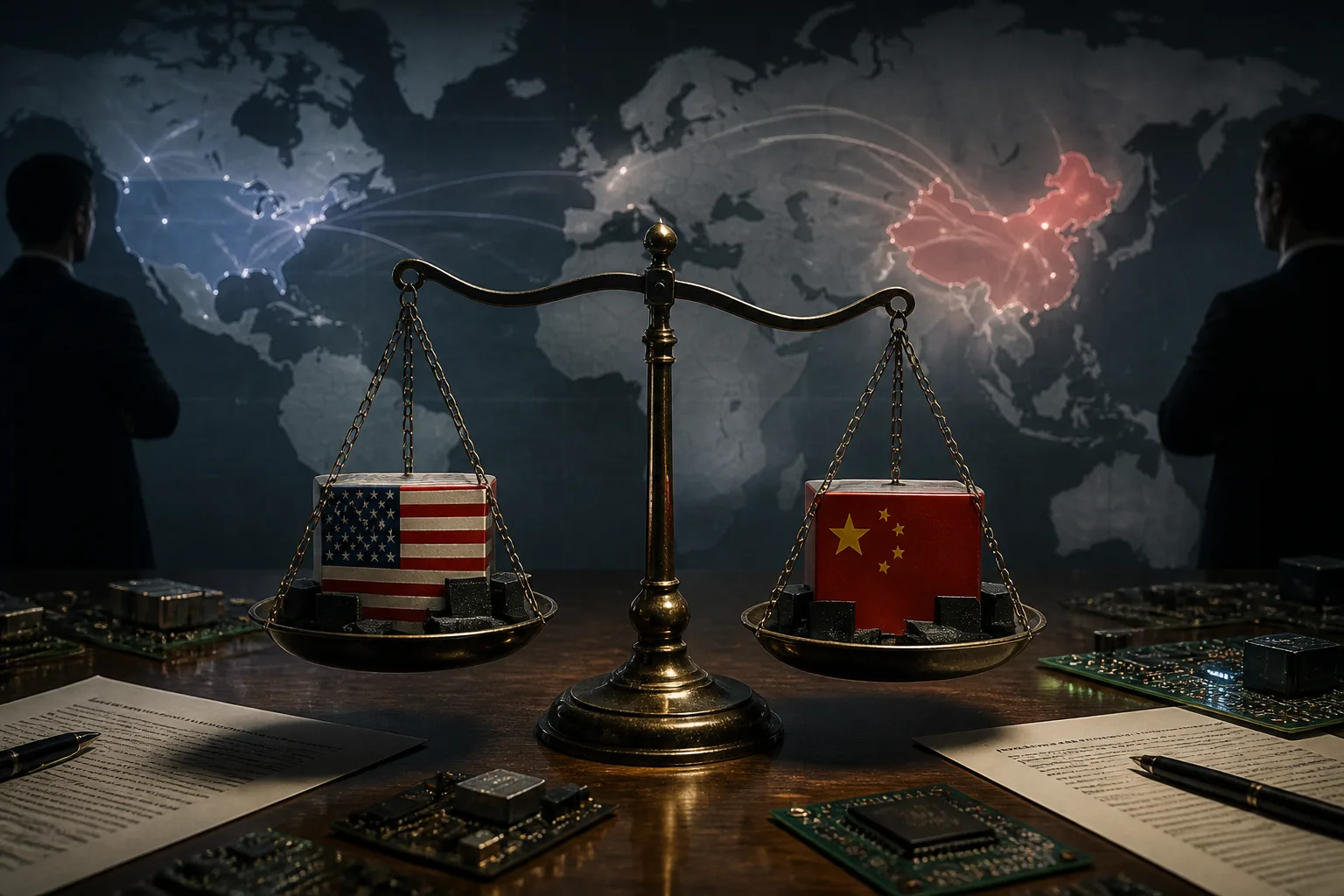
The Commerce Department matters here because it oversees export controls through the Bureau of Industry and Security. That gives it a central role in any effort to restrict access to the inputs that could help Chinese labs develop frontier models.
The reporting also suggests the administration is not only worried about model performance, but about how models are built and reused. Distillation appears to be a major concern because it can let one model learn from another, raising questions about intellectual property, control, and the spread of capabilities.
The rise of so-called open weight models from China adds another layer to the debate. WIRED says these models may have few or no safeguards to prevent hacking government systems and can be downloaded and used by anyone, which has increased policy pressure inside the administration.
What to watch
The biggest immediate question is what form any presidential action might take. WIRED reports that no formal request for input has yet been sent to the Commerce Department, which suggests the policy process is still in motion.
It is also worth watching whether the White House and Commerce Department converge on a single approach or continue to diverge. The story suggests the White House is leaning toward tighter restrictions, while Commerce is exploring different ideas and some more market-shaping options.
Another item to watch is whether the administration uses distillation as the basis for new enforcement or sanctions. That would mark a notable shift from general export-control debates toward a more specific attempt to police how AI models are trained and reused.
Finally, the response to Chinese open weight models may become a broader test case for US AI policy. If policymakers decide these models pose distinct security risks, the resulting rules could affect future competition between US and Chinese labs far beyond this one dispute.