Key Takeaways
- Trump said the U.S. would punish Iran and the Houthis if attacks on Red Sea shipping continue.
- Brent crude rose more than 6 per cent and moved above $100 a barrel as fears of wider disruption spread.
- The attacks are forcing tankers to alter routes and pushing up shipping insurance costs.
What happened
US President Donald Trump said Iran and its Houthi allies would face “major military punishment” after the Yemeni fighters said they struck two Saudi oil tankers in the Red Sea. The warning came as the conflict widened across key maritime corridors in the Middle East.
The report says the attacks extended the war to a second major shipping chokepoint. That development raised concerns that oil flows and maritime traffic could be disrupted beyond the immediate area of the strikes.
Brent crude rose more than 6 per cent, briefly moving above $100 a barrel for the first time since May. The price move reflected concern that the situation could affect energy shipments moving through the region.
The US military also carried out air strikes on Iran late on Thursday and early on Friday, marking a 13th consecutive night of attacks, according to the report. Iranian state media said missiles struck Qeshm Island on the Strait of Hormuz, while state broadcaster IRIB said four people were killed and five injured in a US missile attack on the city of Ahvaz.
Trump said on social media that if the Houthis attacked again, the US would hold Iran responsible because the Houthis were acting as a “Surrogate and/or Proxy” of Iran. He also said any damages to cargo ships would be paid for with “Iranian Money,” referring to frozen Iranian assets held by the United States.
Iran’s foreign minister warned on X that seizing another nation’s assets to pay for unrelated future claims would set a dangerous precedent.
Why it matters
The immediate market reaction shows how quickly maritime conflict can affect the global energy system. The Red Sea and the Strait of Hormuz are both critical routes for oil and other cargo, so threats to either corridor can ripple through shipping schedules, insurance pricing and commodity markets.
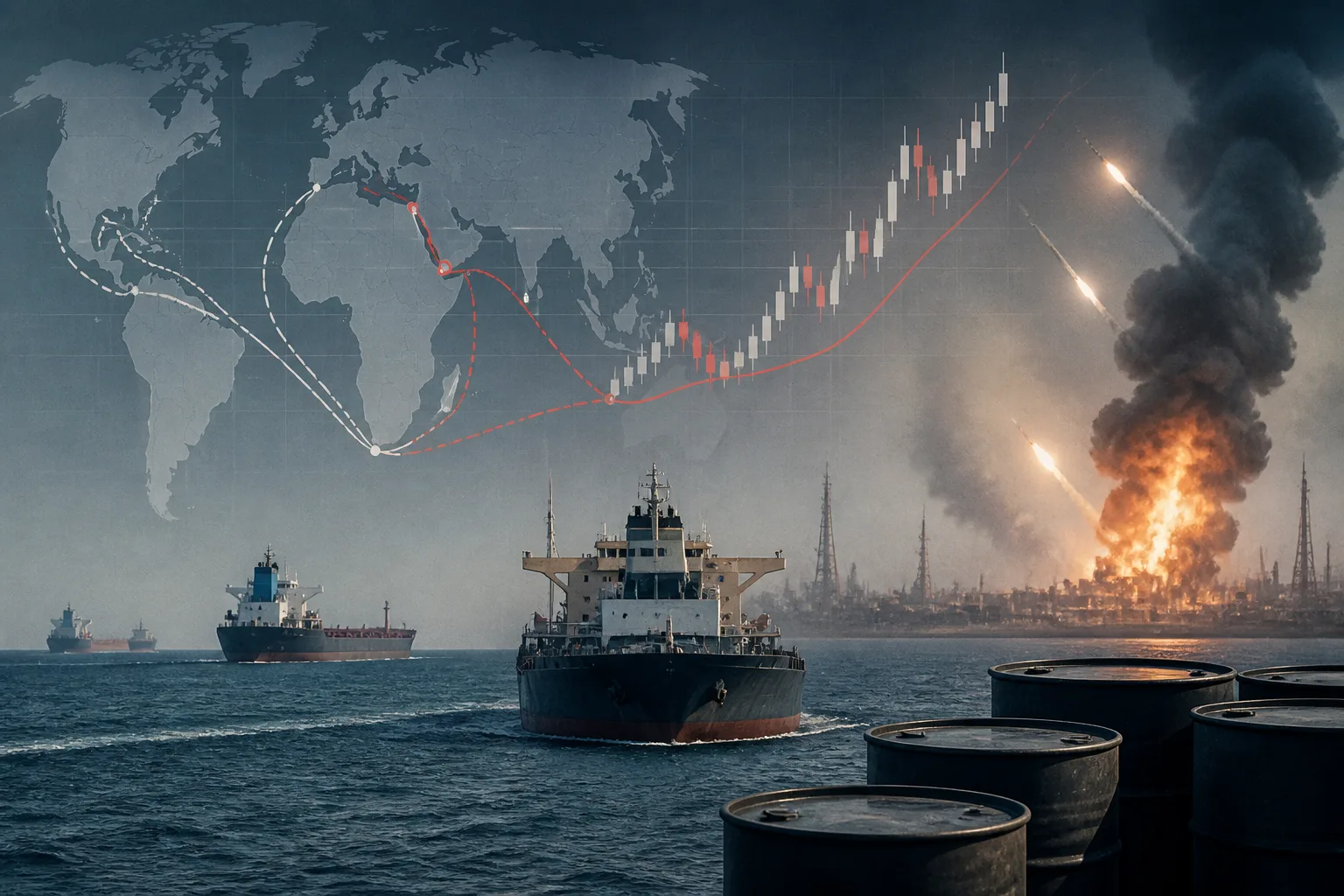
The report says shipping insurance costs through the southern Red Sea doubled for some companies after the attacks were reported. It also says several tankers have changed course to avoid the Bab el-Mandeb, choosing longer routes that may take them around Africa to reach Asian customers.
That rerouting matters because even short-lived disruptions can add time and cost to the movement of fuel and goods. The article also notes that the number of tankers crossing the Strait of Hormuz fell to just one on Thursday, its lowest level since May 7, based on shiptracking data.
For energy markets, the combination of strike reports, possible route closures and retaliatory threats created a direct pricing shock. For logistics operators, the result is a more expensive and less predictable operating environment.
What to watch
The most important near-term question is whether attacks on tankers or infrastructure continue and whether they spread further across the Red Sea and Gulf shipping lanes. Any additional disruption could push more ships to reroute and keep pressure on freight and insurance costs.
Another point to watch is whether the U.S. escalates its military response or whether diplomatic efforts slow the cycle of strikes and retaliation. The report says Trump told Axios he was considering re-launching major combat operations in Iran and was close to a decision.
Market reactions will also matter. Oil prices already moved sharply on the news, and further increases would add to inflation concerns and intensify the economic impact beyond the conflict zone.
Finally, the report highlights political pressure in Washington, where high oil prices are weighing on Trump’s Republican allies ahead of congressional elections in November. That means the conflict could continue to have consequences well outside the region, from fuel costs to freight movement and financial markets.