Key Takeaways
- A Free Republic post says Trump’s latest speech focused on election fraud allegations, China, and declassified intelligence documents.
- The post argues that declassification could speed legal and congressional action, especially around the SAVE America Act.
- Because the source is a commentary post, the underlying claims should be treated cautiously and are not independently verified here.
What happened
A post published on Free Republic frames President Trump’s recent speech as a renewed push on election integrity and intelligence transparency. In the post’s telling, Trump highlighted voting-machine issues, voter-registration irregularities, ballot fraud, and alleged China-linked interference in the 2020 election.
The same post says Trump declassified thousands of intelligence documents and that those materials could make it easier for prosecutors to move faster. It also claims federal intelligence agencies withheld information from the president before the 2020 election and suggests that the newly released material could affect ongoing legal efforts.
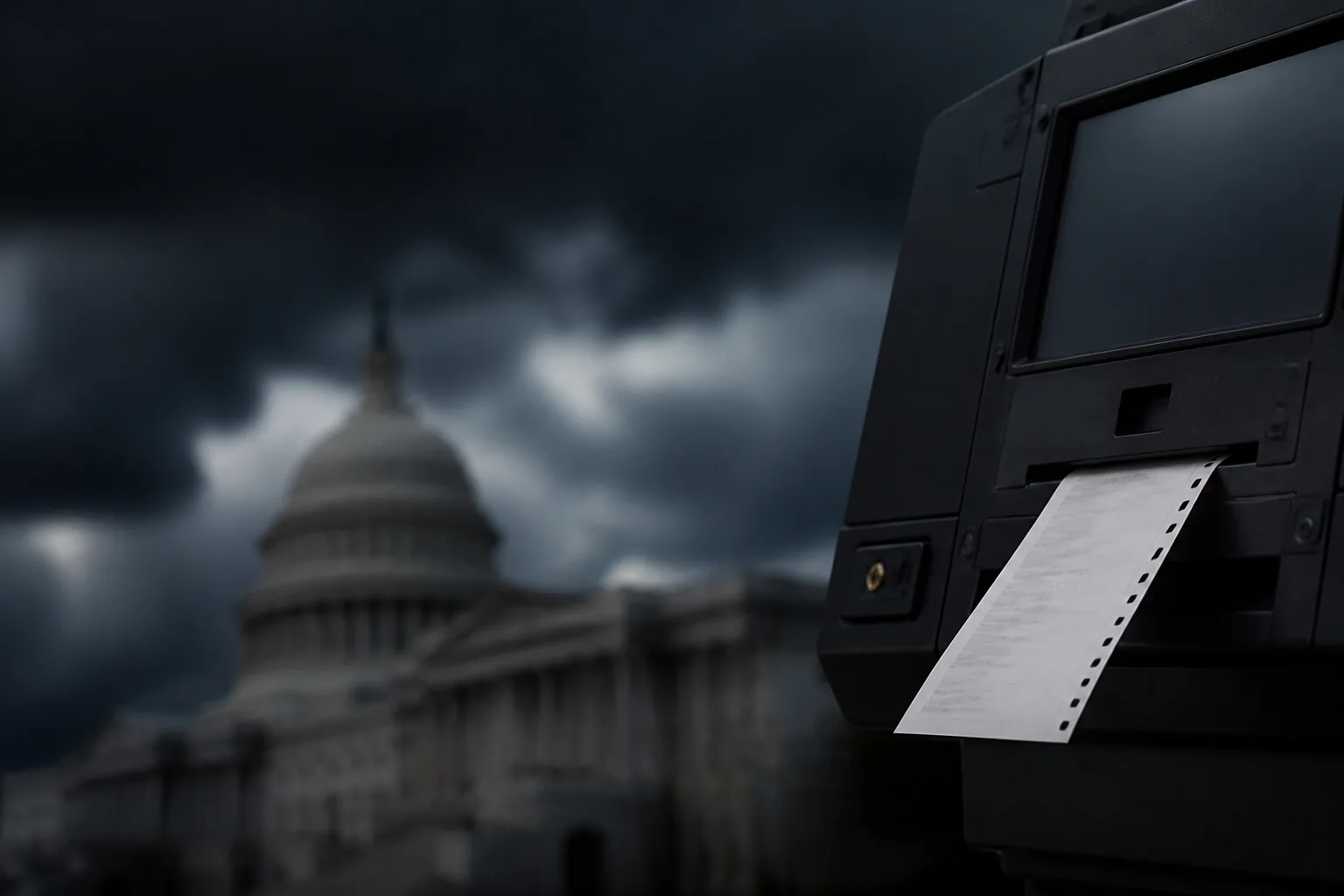
From a technology perspective, the most relevant thread in the post is the focus on the machinery of elections: voter rolls, registration systems, ballot handling, and the software or administrative processes that support them. The post treats those systems as central to the broader dispute over trust, access, and control.
It also argues that Congress has stalled on the SAVE America Act and that Trump may turn to an executive order under the National Emergencies Act if lawmakers do not act. The post goes further, saying such an order would require states to adopt the bill’s provisions for the 2026 midterm elections. Those are claims made in the source material, not independently confirmed here.
Why it matters
Even though the source is political commentary, it lands on issues that matter to software and infrastructure readers: how election systems are managed, who has authority over them, and how much of the process depends on digital records.
Election administration is not just about voting booths. It includes voter-registration databases, cross-checking systems, ballot tracking, audits, and the software used to compile, transfer, and verify records. When a political argument centers on whether those systems are secure or whether information was withheld from decision-makers, it points directly to the operational complexity behind elections.

The post’s emphasis on declassification also matters because document release can shape how institutions respond to software- and data-related claims. In theory, newly public records can influence investigators, lawmakers, journalists, and state officials who are trying to assess what happened and where process failures may have occurred. The post specifically suggests that declassification could remove a barrier to legal action, though that conclusion is part of the post’s argument rather than independently established fact.
The other reason this matters is scale. Election software and records systems are distributed across states and counties, often with different rules, vendors, and standards. The post’s repeated references to states, federal agencies, and congressional action underscore how difficult it is to impose a single national approach on systems that are actually decentralized.
That tension is important for anyone watching public-sector software. When trust breaks down, the debate often shifts from whether a system works technically to whether it is governed in a way that the public accepts. The result is a mix of policy, infrastructure, and communications problems that no single software fix can solve.
What to watch
The immediate question raised by the post is whether the declassified documents change the conversation beyond partisan rhetoric. If they do, the impact would likely show up first in legal filings, congressional debate, or new public scrutiny of election procedures rather than in any direct technical change.
Another thing to watch is whether the SAVE America Act becomes a more active part of the discussion. In the post, it is presented as the vehicle for election reform and the reason the document release matters. If lawmakers take up the bill again, the details of registration rules, election administration, and compliance requirements will matter more than the broad political framing.
Finally, watch how officials and agencies respond to claims about election software and records. The source material suggests that declassification could accelerate action, but it does not provide independent confirmation of any formal response. For now, the most defensible conclusion is that the post is part of a broader argument over trust in digital election infrastructure, not proof that those claims have been settled.