Key Takeaways
- Trump’s latest speech repeated claims about 2020 election interference, but the White House document drop did not provide evidence for those assertions.
- Influential election deniers and conspiracy theorists quickly framed the speech as validation for a broader plan, including possible Insurrection Act talk.
- Voting officials and election experts rejected the claims, saying the speech relied on discredited material rather than substantiated evidence.
What happened
President Donald Trump delivered a much-hyped speech that was billed as offering major revelations about interference in the 2020 election. Instead, he repeated sweeping allegations about China, the so-called “deep state,” and noncitizen voting. He also pointed to a document release on the White House website as proof, even though the files described in the source material did not establish the claims he made.
That gap between assertion and evidence did not slow down Trump’s most devoted supporters. Within moments of the speech ending, prominent election deniers cast it as a major breakthrough. Patrick Byrne called it a “grand slam,” while Alex Jones described the reaction inside the movement in apocalyptic terms. Lara Logan, another prominent figure in the election denial ecosystem, described the event as “a reckoning” and said it was “the opening salvo in a much bigger plan.”
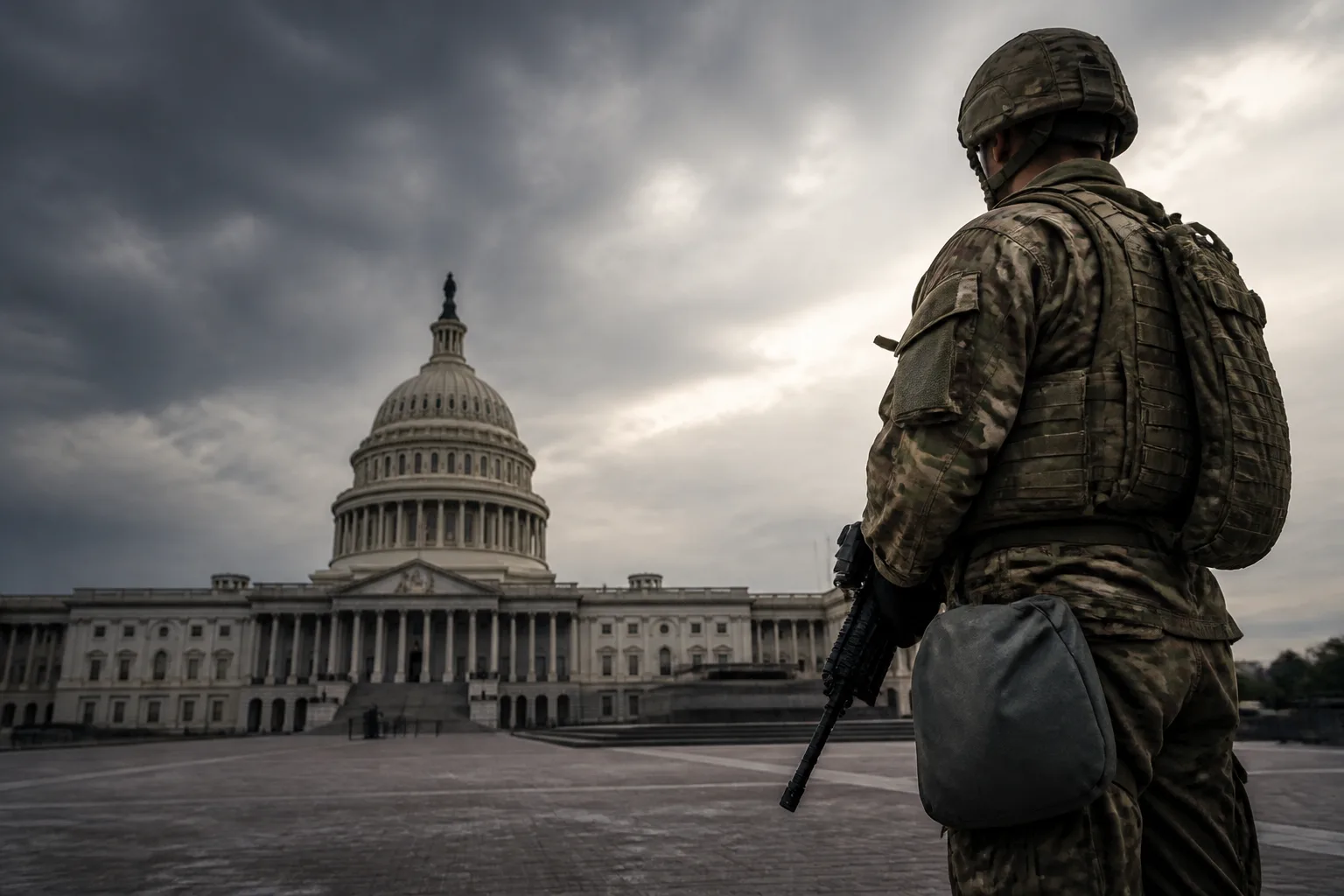
A central theme among those responses was the idea that Trump was laying the groundwork for invoking the Insurrection Act. In their telling, the speech and the surrounding document release could be used to justify sending military or federal law enforcement to polling places. Posts circulating on X and Telegram framed the moment as a kind of legal and political setup, with one user describing it as “laying the predicate.”
The source material also notes that Michael Flynn called for arrests while offering no evidence beyond Trump’s words. Meanwhile, Cleta Mitchell praised John Solomon’s role in helping bring the White House’s material into public view, though Solomon himself later said he knew of “zero evidence” that a foreign power flipped votes in 2020, 2022, or 2024.

Why it matters
The episode shows how quickly a political speech can be converted into narrative fuel across conspiracy communities online. Rather than treating the White House document dump as a factual record to verify, election deniers treated it as confirmation of a larger theory that has circulated for years.
That matters for the information environment because the claims are being amplified through platforms that make it easy to recycle, remix, and intensify unsupported allegations. In the source material, X and Telegram function as distribution channels for these narratives, helping them move from a speech to a fast-moving ecosystem of commentary, speculation, and escalation.
It also highlights the difference between public messaging and evidence. Election officials and voting experts reacted sharply, with Nevada secretary of state Cisco Aguilar dismissing the claims outright and Maryland congressmember Jamie Raskin calling the speech “gibberish” and “drivel.” Alexandra Chandler of Protect Democracy argued that the White House was using “cherry-picked intelligence” and discredited reports to build a pretext for action, and said the real audience was the movement’s loyal base ahead of future elections.
What to watch
The most immediate question is whether these narratives continue spreading across election-denial communities in the weeks ahead. The source material suggests supporters are already treating the speech as evidence of a broader strategy rather than a one-off event.
A second question is whether official claims will be matched by actual documentation. The White House release, as described in the source, did not supply proof for the most dramatic assertions, and Solomon’s own comments undercut the idea that the evidence is settled.
Finally, it will be worth watching how these arguments evolve around future elections. The reporting suggests that some advocates are already connecting the current messaging to the 2026 midterms, using the speech to reinforce a template for future claims about voting, security, and emergency powers.