Key Takeaways
- Great Pyrenees are livestock guardian dogs bred to protect sheep and other animals from predators.
- Their size, bark, and territorial instincts make them a strong deterrent to coyotes.
- The source also notes that training, socialization, and proper care matter for effective guarding.
What happened
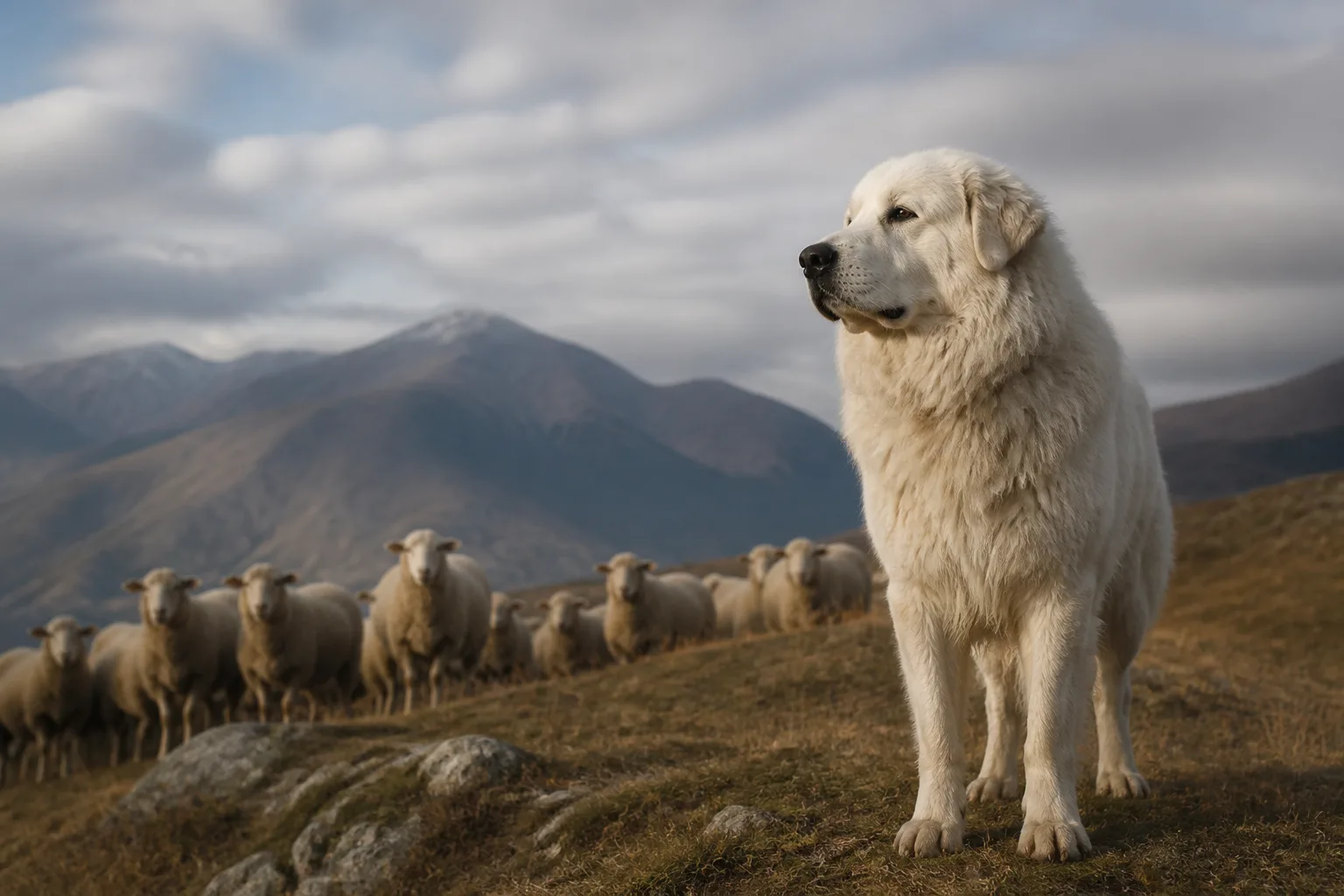
The source explains why coyotes may avoid Great Pyrenees dogs: these animals are not ordinary pets, but livestock guardian dogs selected over generations for protection work. According to the material, their role is to live with livestock and defend flocks from predators.
The article points to several traits that make the breed effective in that job. Great Pyrenees are described as large, imposing dogs with a deep bark that can warn off approaching coyotes. The source also emphasizes that they have strong guardian instincts, are territorial, and tend to act independently rather than simply waiting for human direction.
The material frames this as the result of long breeding history. It says Great Pyrenees descend from mountain dogs used in the Pyrenees Mountains and that selective breeding emphasized size, courage, and independence. In that sense, the dogs’ effectiveness is presented as the product of both inherited instincts and practical training.
The source also notes that early socialization and livestock integration are important. Puppies are ideally introduced to the animals they will guard at a young age, helping them bond with the flock. Basic obedience is mentioned as useful as well, even though the breed is known for independent decision-making.
Why it matters
For livestock owners, the main takeaway is that predator deterrence is not just about size alone. The source argues that Great Pyrenees combine physical presence with behavior: they watch for threats, remain alert, and act in ways that make coyotes see a fight as high risk and low reward.
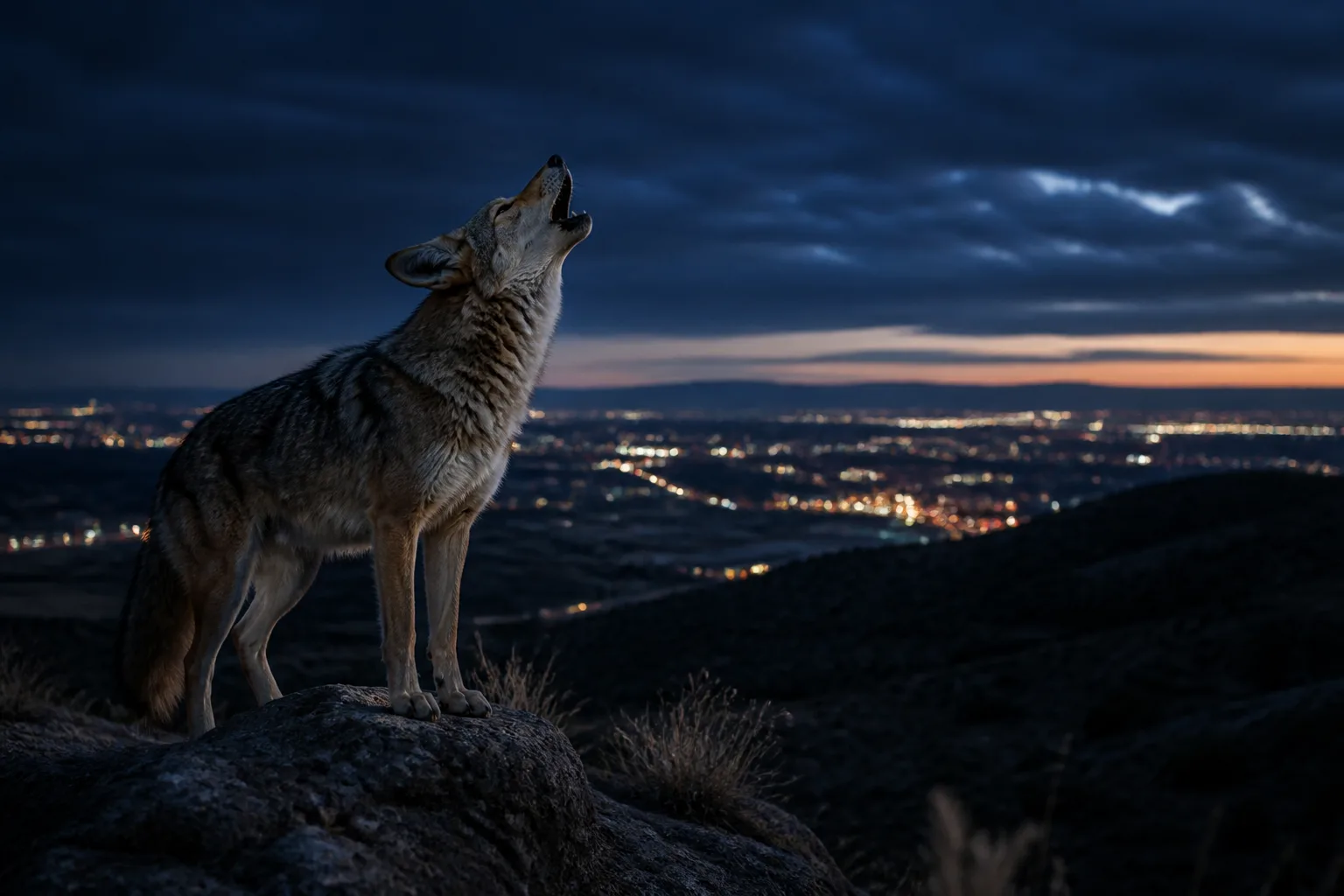
That matters because coyotes are described as opportunistic hunters. If a coyote faces a large guardian dog, the costs can outweigh the benefits. The article says the dog’s size, bark, and willingness to defend livestock can push coyotes to look for easier prey elsewhere.
The source also says ranchers and farmers have reported reductions in livestock losses after introducing Great Pyrenees to their operations. While it does not provide detailed case studies or numbers, it uses those reports to support the idea that guardian dogs can be a practical part of livestock protection.
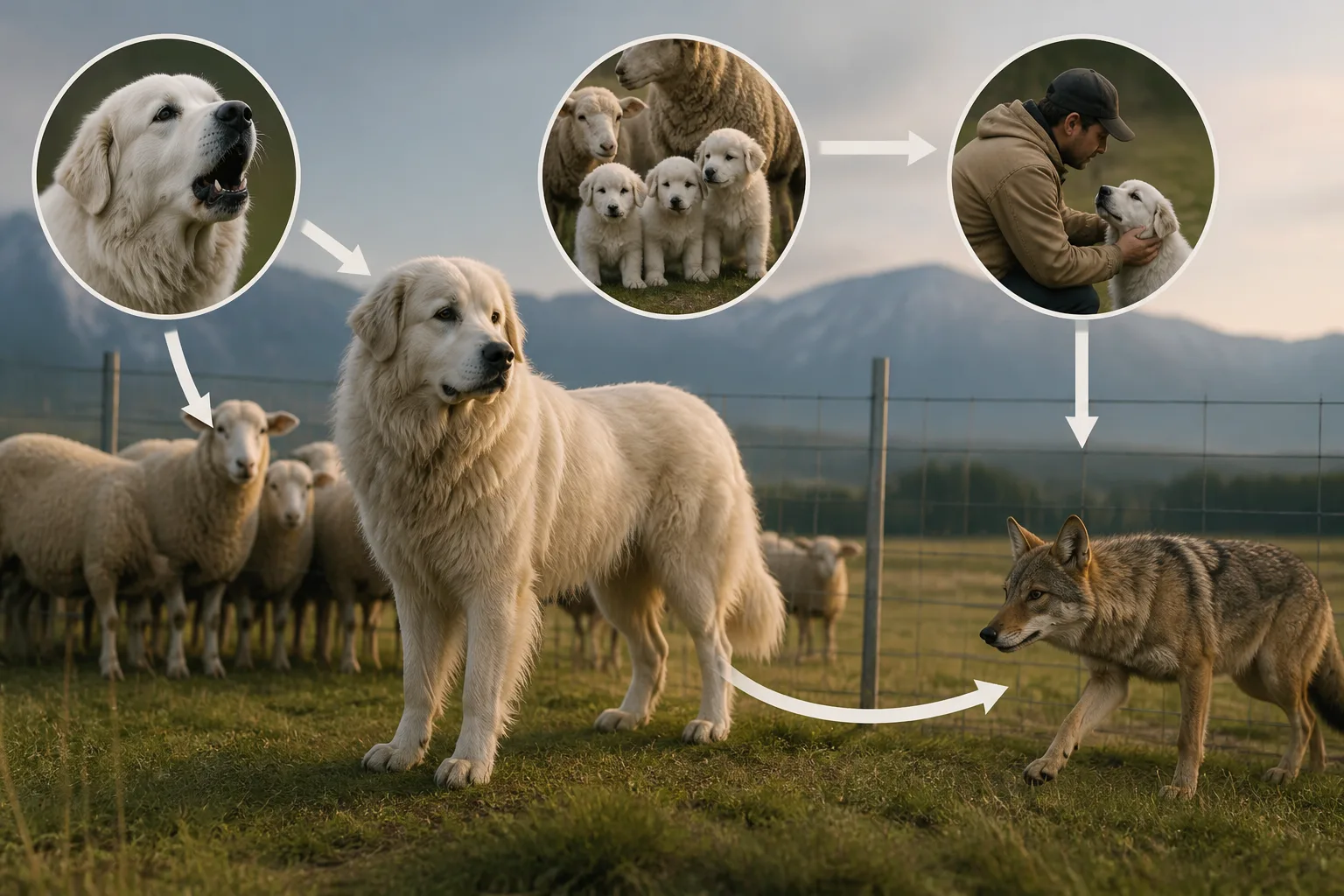
There is also a care and ethics angle. The article stresses that Great Pyrenees need proper food, water, shelter, veterinary care, and clear boundaries. It also recommends telling neighbors about the presence of a guardian dog to avoid misunderstandings. That suggests their usefulness depends on responsible management, not just instinct.
What to watch
The source says Great Pyrenees are effective against more than coyotes. It lists wolves, bears, mountain lions, foxes, feral dogs, and even aerial predators as animals they may deter or alert livestock to. That suggests the breed’s value is broader than one predator type.
It also notes that other livestock guardian breeds, including Anatolian Shepherds, Akbash Dogs, and Maremma Sheepdogs, can serve similar roles. For readers comparing options, the source implies that shared traits such as size, protection drive, and independent thinking are key indicators of a good guardian breed.
Another thing to watch is the balance between protection and temperament. The article says Great Pyrenees are generally not aggressive toward humans unless they perceive a threat to livestock, but that early socialization is important. That means their behavior around people can vary depending on how they are raised and managed.
Finally, the source includes practical details about care: moderate exercise, regular veterinary checkups, and awareness of common health issues such as hip dysplasia, bloat, and eye conditions. It also gives a typical lifespan range of 10 to 12 years. For anyone considering the breed as a guardian, those details matter as much as the dog’s protective instincts.
Overall, the article presents Great Pyrenees as purpose-built livestock protectors rather than general-purpose pets. In the context of coyotes, the explanation is straightforward: they are large, alert, territorial, and trained to treat the flock as their responsibility.